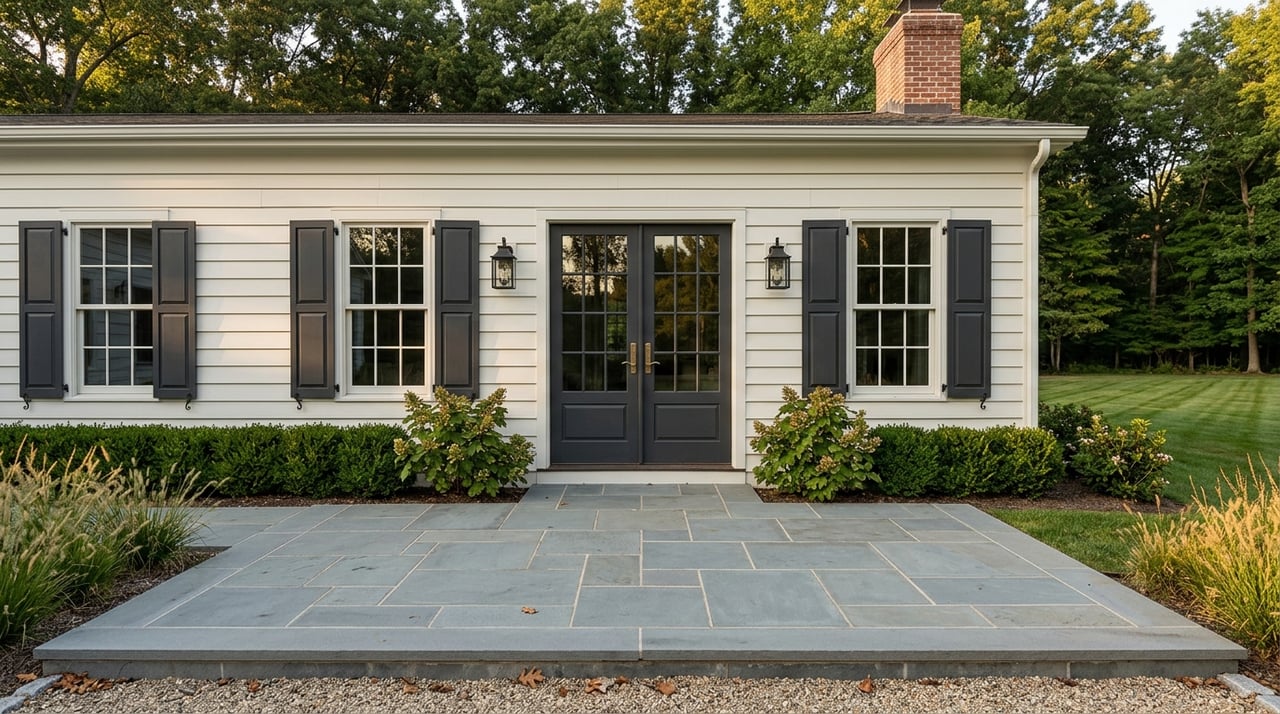
Relocating to Harding Township from NYC: A Practical Guide
April 16, 2026
April 16, 2026
Thinking about trading subway noise for quiet roads, larger lots, and a more private daily rhythm? If you are relocating from NYC to Harding Township, the change can feel both exciting and unfamiliar. This guide will help you understand what life in Harding really looks like, from housing and commuting to day-to-day expectations, so you can decide whether it fits the lifestyle you want. Let’s dive in.
Harding Township is a small Morris County community with about 3,891 residents and a low population density of roughly 194 people per square mile, according to the 2024 municipal profile. If you are coming from NYC, that difference will be one of the first things you notice.
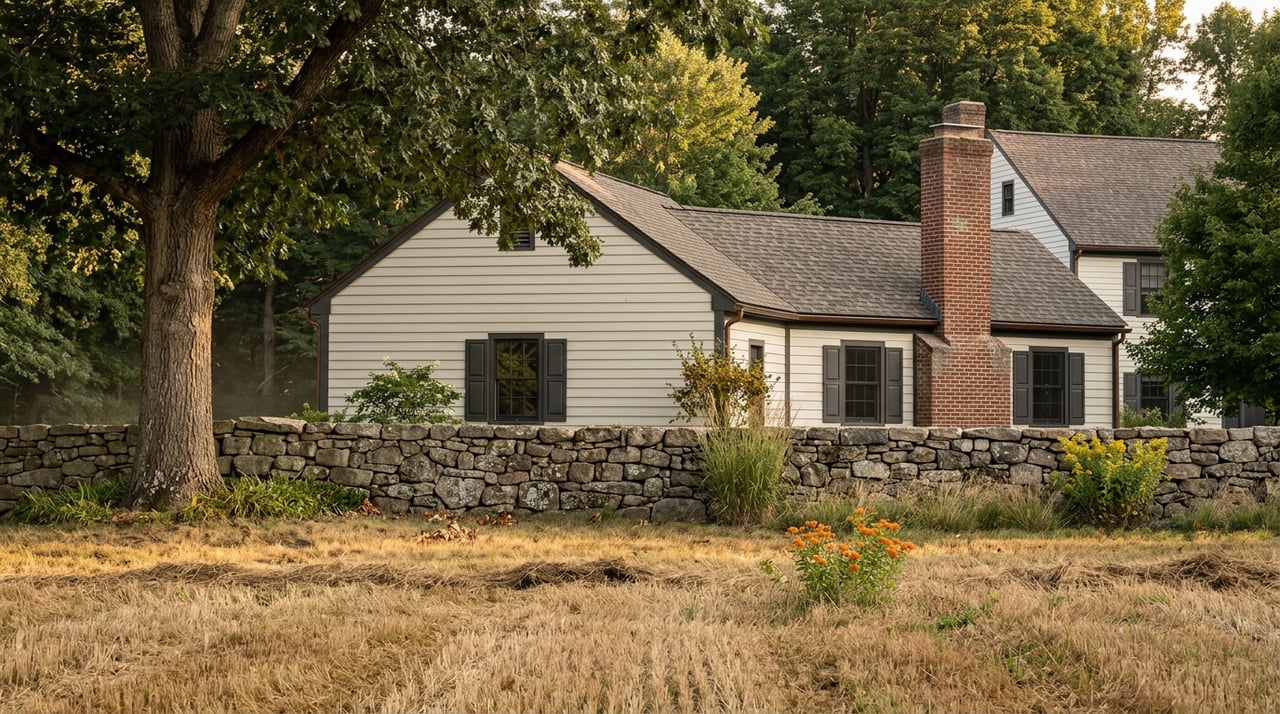
The township’s own master plan describes Harding as a series of compact crossroad villages surrounded by low-density countryside. It also emphasizes long-term preservation of rural character and historic heritage, which helps explain why the area feels open, quiet, and intentionally restrained in its development pattern.
In practical terms, Harding is less about constant convenience and more about space, privacy, and continuity. You are not moving to a walk-everywhere downtown. You are moving to a community shaped by land preservation, estate-style homes, and a slower visual pace.
For many NYC buyers, the draw is simple: more room to live, work, and recharge. Harding’s housing profile and land-use pattern tend to support buyers who want acreage, separation from neighbors, and a more residential environment.
The numbers reflect that. The township’s municipal profile reports a median value of owner-occupied housing of $1,177,300, with 79.1% owner occupancy and 17.2% renter occupancy. That points to a market that is primarily homeowner-oriented rather than rental-driven.
Based on township and census data, Harding often appeals to established professionals, move-up buyers, and empty nesters seeking privacy and space. The Census Reporter profile also shows a median age of 49.9, which reinforces the sense of a settled, mature community.
If you are used to Manhattan apartments, brownstones, or even more compact suburban neighborhoods, Harding’s housing stock will feel very different. The township’s master plan notes that much of the residential pattern reflects five-acre-or-larger lots in its Rural Residential zone.
Most housing is single-family in character. The same plan notes that many properties are served by septic and private water systems, which is an important adjustment if you have only lived in buildings connected to larger municipal infrastructure.
There is some townhouse inventory, especially along the northern Route 202 edge, but it is limited. In general, if you are relocating to Harding, you should expect a market defined far more by larger-lot homes than by condos or attached housing.
The move from NYC to Harding is not just a change of address. It is a change in how your days are structured.
Harding’s master plan says almost 45% of the township lies in the public land zone, including major open-space areas such as the Great Swamp and Jockey Hollow. That level of preserved land shapes the daily experience in a meaningful way.
You may gain:
You may also need to adjust to:
For many buyers, these are welcome tradeoffs. The key is knowing they are tradeoffs before you move.
Harding is not built around dense commercial corridors. According to the township master plan, commercial development is largely limited to Route 202, plus a small village store and service station in New Vernon.
That means daily convenience looks different here than it does in NYC. You will likely drive more often for groceries, fitness, appointments, and general errands, especially if you are used to having multiple options within a few blocks.
For many relocating buyers, this is part of Harding’s appeal rather than a drawback. Limited commercial intensity helps preserve the township’s quiet character and open visual landscape.
If you still need access to Manhattan, Harding can work, but it usually works through a car-plus-train routine rather than a single-seat urban commute. Your exact experience will depend on where in Harding you live and which station fits your schedule best.
According to NJ TRANSIT’s New York train information, the Morris & Essex Lines connect Dover, Summit, and Gladstone with Newark Broad Street, Hoboken, and New York. Nearby rail options for Harding residents can include Convent, Chatham, Madison, and Morristown.
Because station access and parking matter, it is smart to research your likely station before buying. For example, NJ TRANSIT’s Convent Station page provides station-specific information, and similar details vary by stop.
For drivers, roadway access is also part of the picture. A Morris County notice referencing NJDOT advisories highlights the I-287 segment near Exit 33 and US 202 in Harding Township, underscoring the township’s connection to key regional routes.
The Census Reporter profile lists a mean commute time of 32.4 minutes. Still, if your destination is NYC, your total door-to-door time will depend on your driving leg, parking situation, train schedule, and final city destination.
If school planning is part of your move, it helps to understand the structure clearly. The Harding Township School District FAQ states that the district serves students in preschool through 8th grade.
The same FAQ says the sending high school is Madison High School in the Madison School District. It also notes that courtesy busing is provided for K-8 students who live two miles or more from school.
If you are relocating from NYC, one practical takeaway is that school logistics may be more transportation-oriented than what you are used to in the city. As with commuting, distance and routing play a larger role in daily planning.
One of the clearest differences between Harding and more heavily developed suburbs is its long-standing commitment to preservation. The township master plan repeatedly emphasizes protecting rural character and historic heritage.
That perspective also shows up in local institutions. The Historic Preservation Commission works to conserve historic character and the rural streetscape, while the Harding Land Trust is cited as helping preserve farmland, woodlands, and natural areas.
For buyers, this matters because it helps explain why Harding looks and feels the way it does. The township’s visual calm is not accidental. It is closely tied to planning choices that prioritize open land, compatibility in scale, and continuity over rapid change.
Harding may be a strong fit if you want a home environment centered on land, privacy, and a quieter pace while staying connected to North Jersey and NYC. It can also make sense if you value estate-style properties, a more settled residential setting, and a community shaped by preservation.
It may be less ideal if your top priority is walkable retail, dense restaurant clusters, or a fully urban daily rhythm. The township offers a very specific kind of lifestyle, and the right move is one that matches how you actually want to live.
If you are comparing towns, the most useful next step is to go beyond search filters and look closely at commute patterns, property systems, lot sizes, and how much daily driving feels realistic for your routine.
If you are considering a move from NYC to Harding Township, working with someone who understands the local housing stock, land-use pattern, and buyer priorities can make the process far more efficient. Julia Kovacs offers a thoughtful, high-touch approach for buyers exploring the Harding and New Vernon area, with the local perspective that helps you evaluate not just the home, but the lifestyle that comes with it.
Stay up to date on the latest real estate trends.
Get assistance in determining current property value, crafting a competitive offer, writing and negotiating a contract, and much more. Contact me today.