Harding Township Home Staging Tips to Prepare Your Estate
May 28, 2026
May 28, 2026
You rarely get a second chance to shape a buyer’s first impression, and in Harding Township, that impression often begins long before anyone reaches the front door. If you are preparing to sell a multi-acre property or estate home, you are likely balancing a lot at once, from timing and pricing to repairs, editing, and presentation. This guide will show you how design-led staging can help your home feel brighter, more current, and more compelling to buyers in this unique market. Let’s dive in.
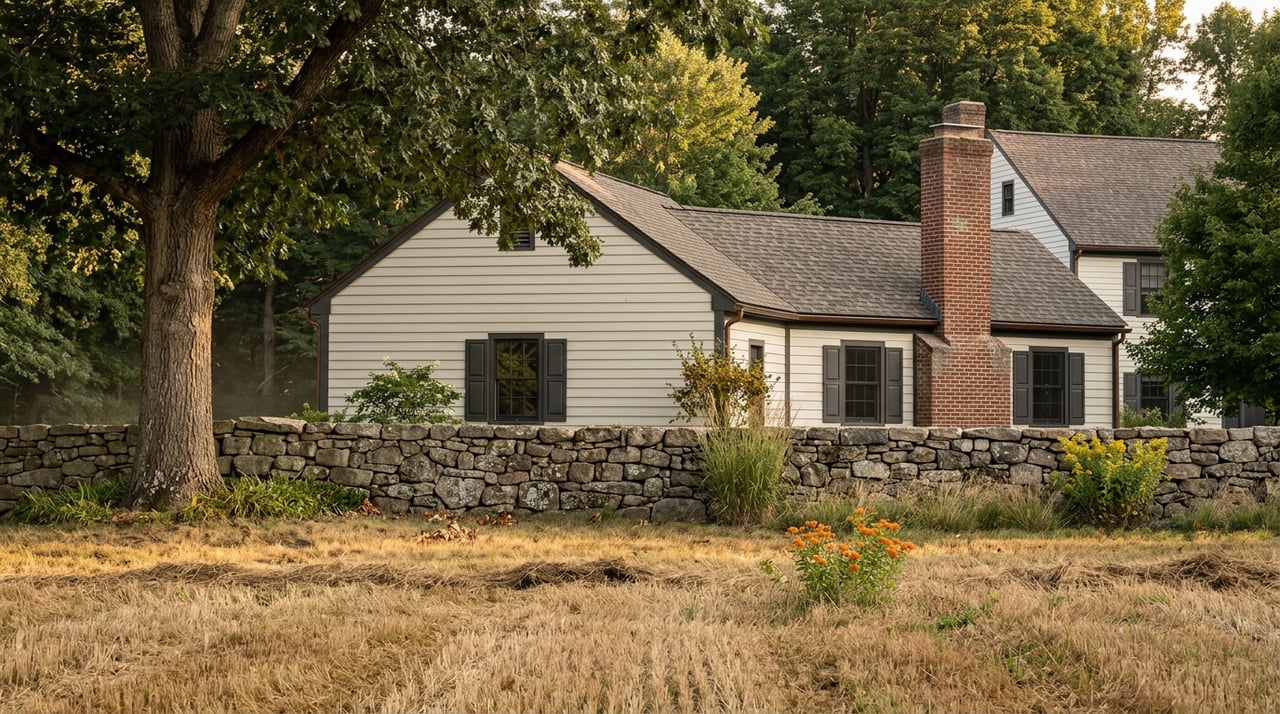
Harding Township is a small, rural community in southeastern Morris County, and its land-use pattern shapes how buyers experience homes here. The township covers 13,162 acres, or 20.56 square miles, and its rural residential pattern includes large lots, often at five acres or more, with homes set well back from the road. That means your driveway, front approach, landscape, and entry sequence are all part of the showing experience.
This is also an upper-tier, low-inventory market. Current market snapshots show about 10 homes for sale in Harding Township, with a median sale price of roughly $1.4 million and about 16 days on market. By comparison, Morris County overall shows a median sale price of $660,008 and 25 days on market, so presentation carries extra weight when buyers are comparing a small pool of premium listings.
Staging is not about making a home feel trendy or overly decorated. At its best, it is a strategic process of cleaning, decluttering, repairing, depersonalizing, and updating the home so buyers can picture themselves living there. In a market like Harding, that strategy works best when it responds to the home’s scale, setting, and architecture.
A design-led approach focuses on what buyers notice first and remember most. It prioritizes the rooms that drive emotional connection, uses lighting and layout to improve flow, and makes sure the home photographs beautifully online. That matters because buyers increasingly expect listings to look polished, and many compare what they see online to the level of finish they associate with professionally staged homes.
The value of staging is not just visual. In the 2025 Profile of Home Staging, 83% of buyers’ agents said staging made it easier for a buyer to visualize the property as a future home. The same report found that 49% of sellers’ agents said staging reduced time on market, and 29% said it led to a 1% to 10% increase in the dollar value offered.
For many sellers, that makes staging a practical decision rather than a cosmetic luxury. The same report puts the median cost of a staging service at $1,500, which supports a focused plan built around high-impact updates instead of major renovation. If you have lived in your home for many years, that can be especially helpful because small changes often make a bigger difference than expected.
You do not need to stage every room to make a strong impression. The rooms buyers tend to value most are the living room, primary bedroom, and kitchen. Sellers also commonly stage the dining room, which can help support a more complete and cohesive main living experience.
In estate homes, these rooms often carry the most visual and emotional weight. They are usually where buyers assess scale, light, comfort, and lifestyle fit. If your budget or timeline is limited, these are the spaces to address first.
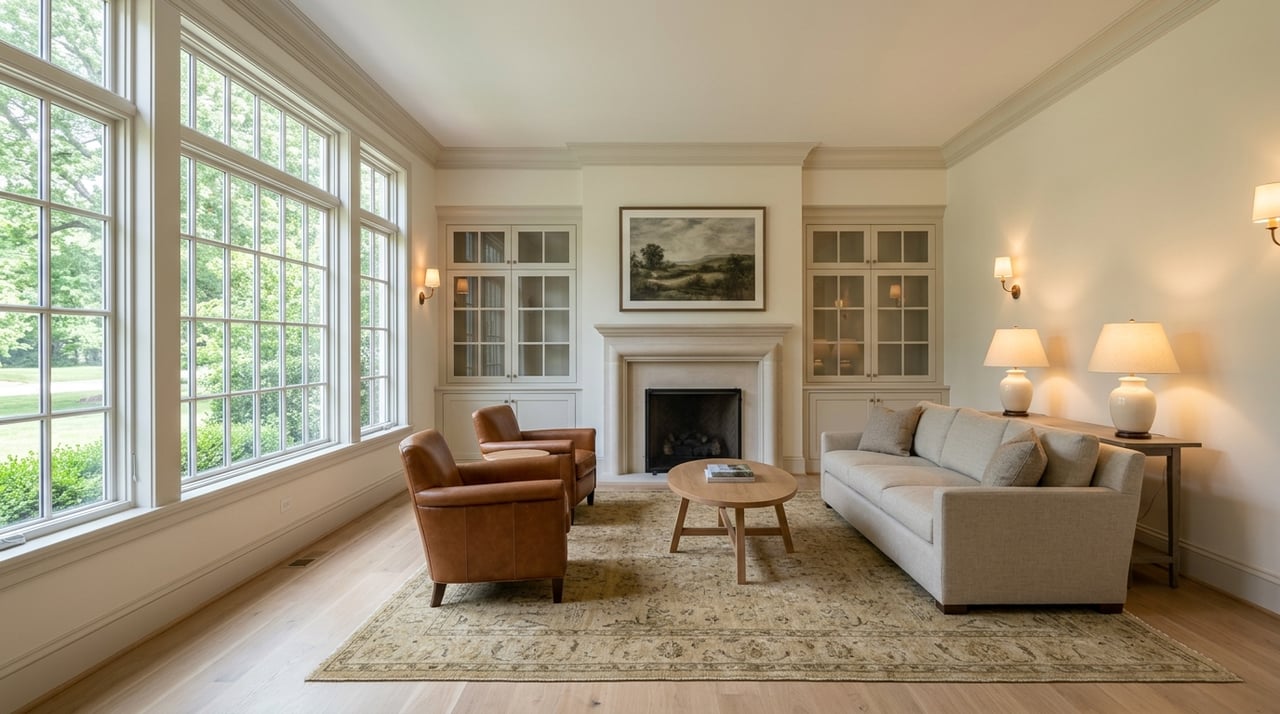
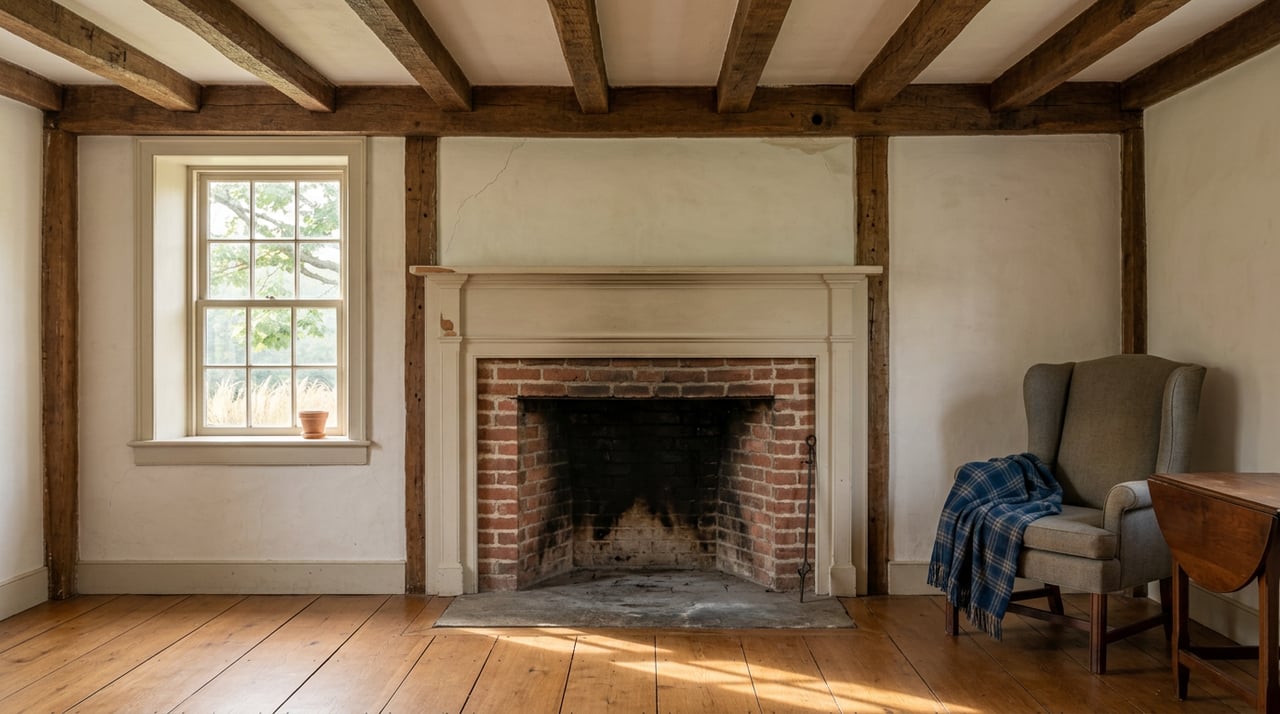
The living room often sets the tone for the entire house. In larger Harding homes, this space can feel impressive in person but flat or cold in photos if the furniture scale is off. The goal is to create a clear seating arrangement, reduce visual noise, and give the room warmth without overfilling it.
The primary bedroom should feel restful, simple, and proportionate to the home. Clean bedding, edited furniture, and balanced lighting can help a large room feel serene rather than empty. Buyers do not need to see every piece you own. They need to understand the room’s purpose and comfort.
In the kitchen, clear counters, good lighting, and a clean, neutral backdrop go a long way. In the dining room, a well-scaled table setting and simple styling can help define the space. Together, these rooms support the idea of easy daily living and effortless entertaining.
Harding Township properties often share a few presentation challenges, especially if they have been lovingly owned for many years. The good news is that most of these issues can be improved with thoughtful editing and targeted updates.
Buyers notice color, light, and condition quickly. Staging guidance recommends bright neutral paint, clean windows and screens, sheer window treatments, higher-wattage bulbs in dim areas, and replacing old carpeting with wood, vinyl, or tile where appropriate. If your home feels dark or visually dated, these cosmetic updates can shift the impression significantly.
You do not need to renovate the entire property to create momentum. In most cases, it is smarter to neutralize the spaces buyers see first, complete minor repairs, and make the home feel clean and cared for. That gives buyers fewer distractions and a clearer sense of the home’s value.
Large rooms are a luxury, but they can be tricky to present. If a room is underfurnished, buyers may read it as awkward or hard to use. If it is overfurnished, the room can feel crowded and lose its architectural strengths.
A design-led staging plan defines each room’s purpose. That may mean using fewer, better-scaled furnishings, creating distinct conversation areas, or removing pieces that interrupt flow. In vacant homes, a few well-proportioned pieces often work better than trying to fill every corner.
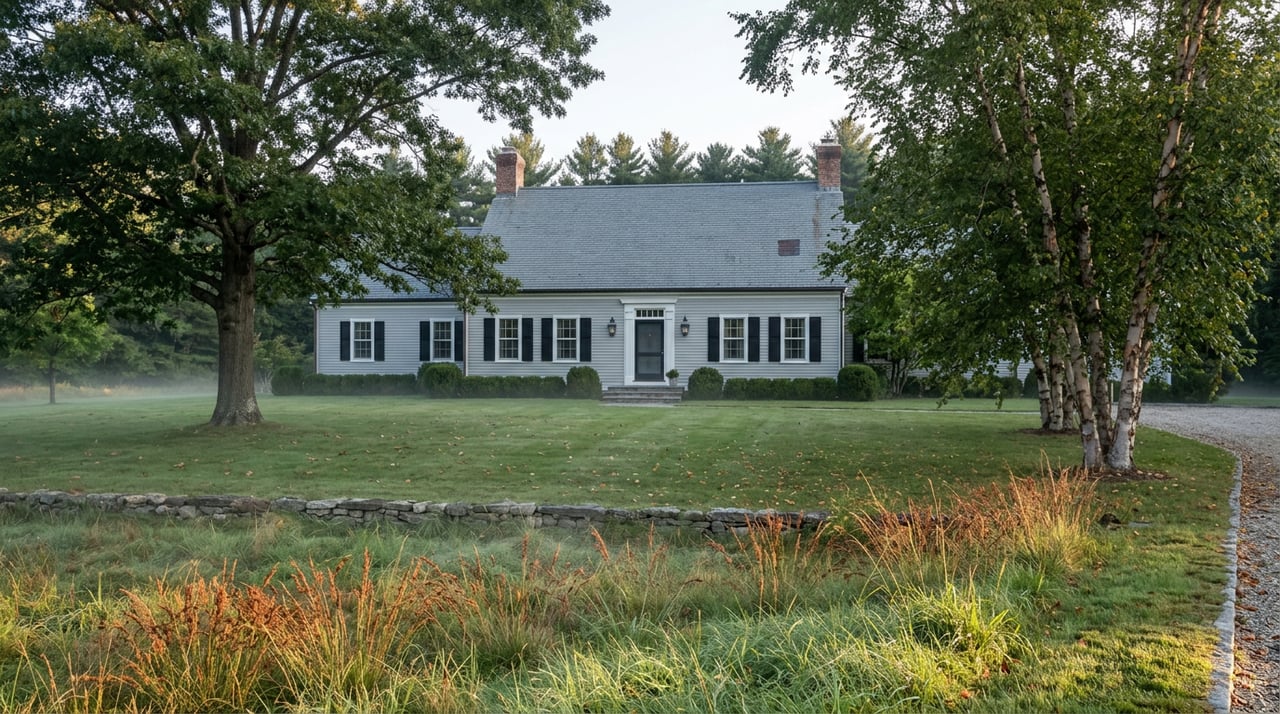
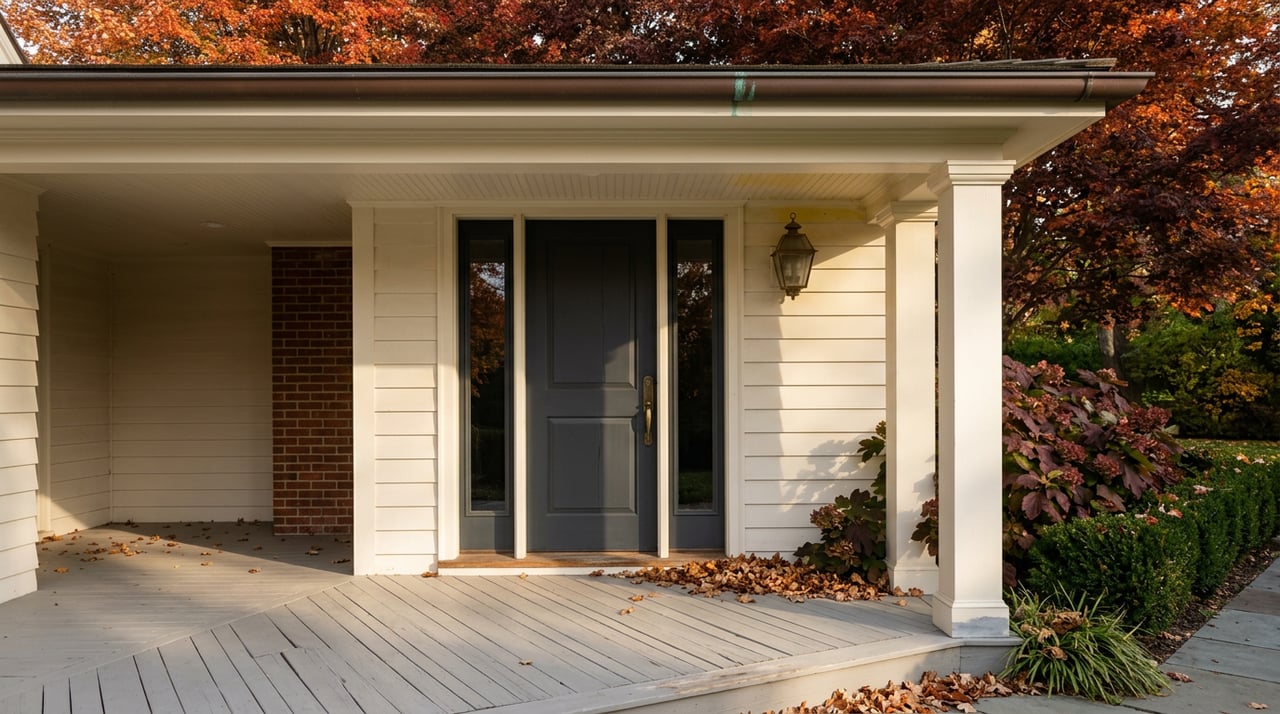
In Harding Township, first impressions often begin at the gate, lane, or front drive. Because homes are commonly set back from the road, the arrival sequence matters more than it does in a typical suburban setting. Buyers are forming an opinion before they ever step inside.
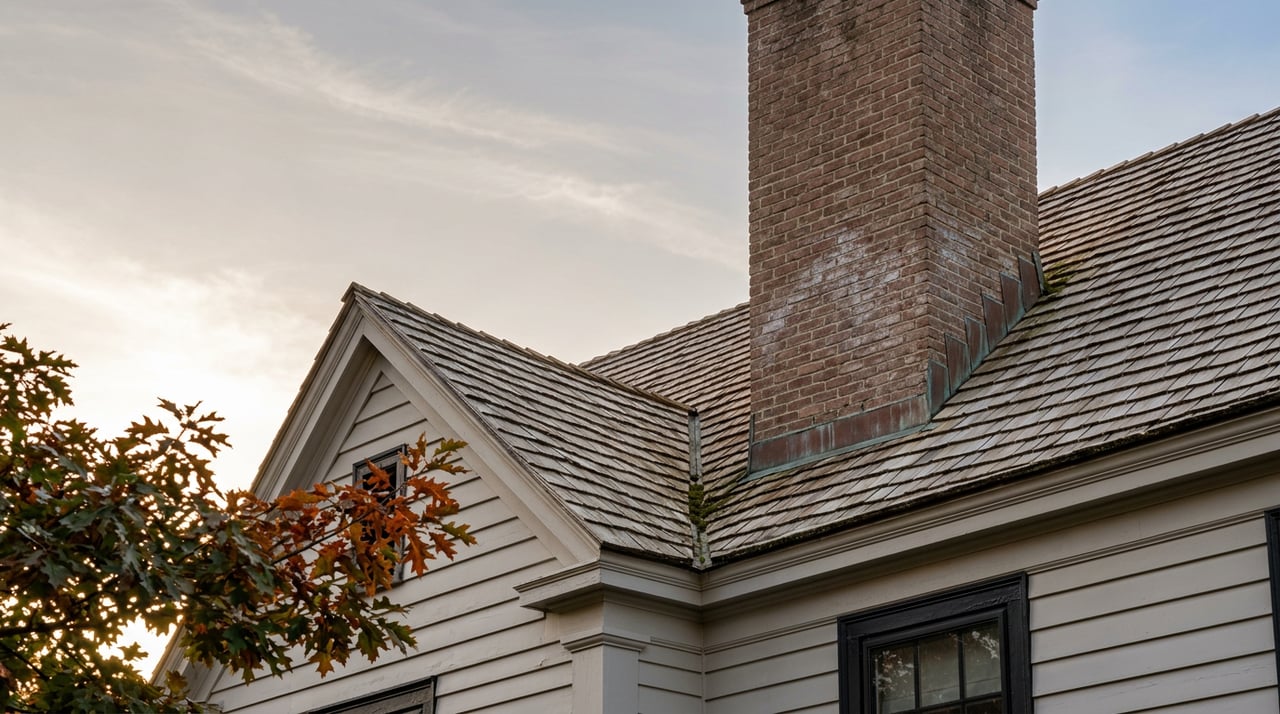
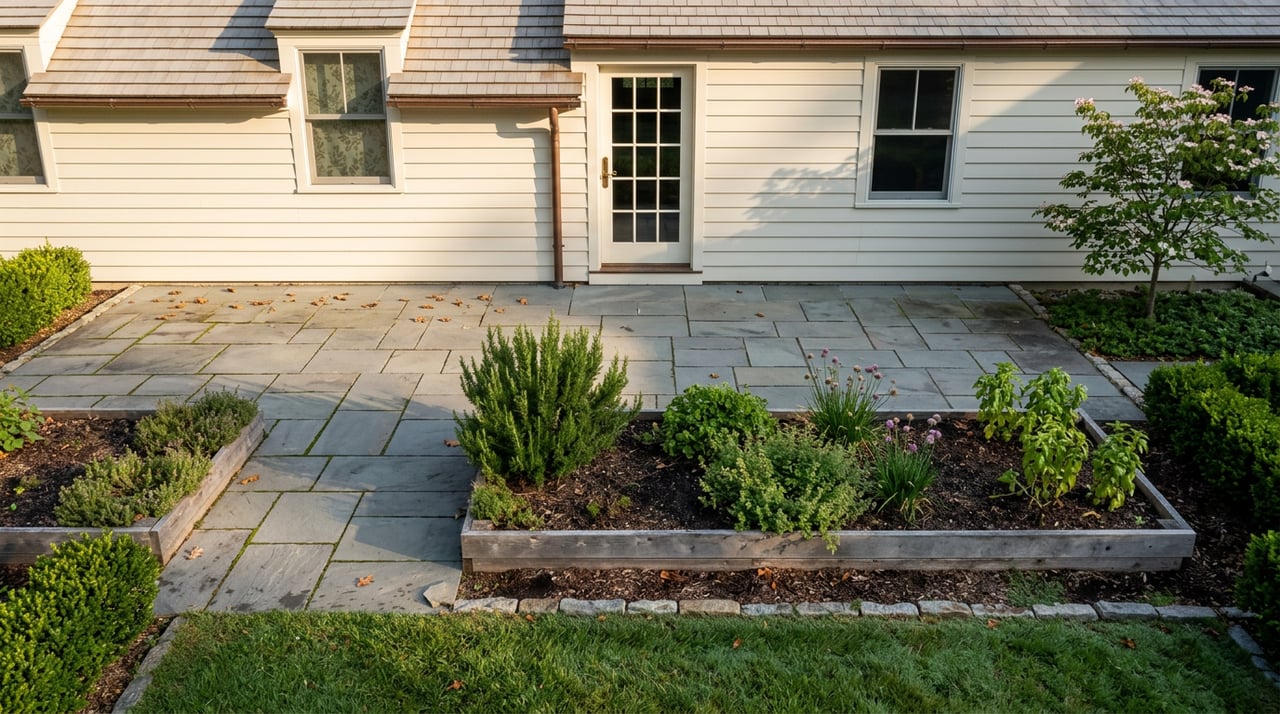
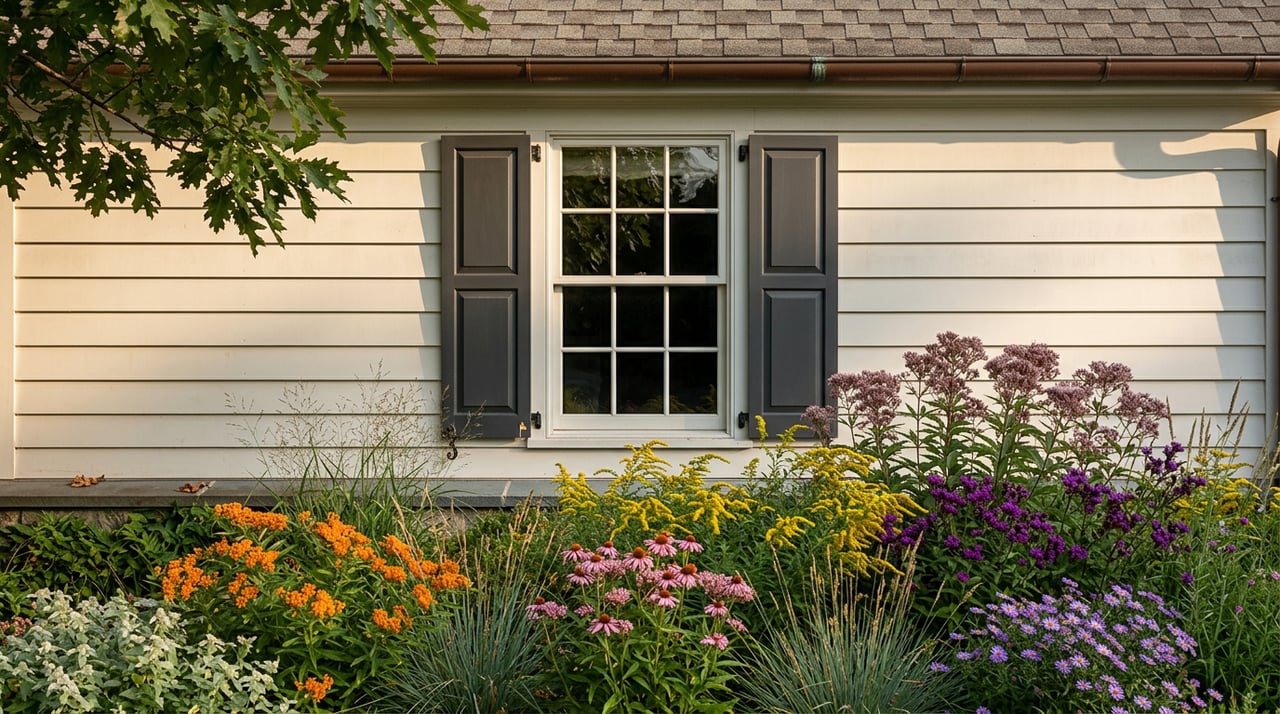
Simple exterior improvements can sharpen that experience. Trimmed shrubs, fresh mulch, walkway lighting, landscape lighting, porch seating, and a clean, uncluttered front approach can all help. The goal is not to overstyle the exterior. It is to make the property feel intentional, maintained, and welcoming from the very start.
A common mistake is treating staging and marketing as separate steps. In reality, they should work together. Buyers’ agents rate photos, physical staging, videos, and virtual tours as highly important, so your staging plan should be built with online presentation in mind.
That means every room should be evaluated through a camera lens. Lighting should be even, furniture should frame the room rather than block it, and accessories should support scale without adding clutter. If buyers first meet your home online, the staged look has to perform there before it can convert into a showing.
If you are preparing to sell, it helps to break the work into manageable phases. That keeps the process from feeling overwhelming and helps you focus your time and budget where it counts.
Start with a room-by-room walk-through. Identify what truly needs repair, what can be improved with paint or lighting, and what simply needs to be edited or stored. This first pass gives you a realistic roadmap and helps prevent overspending on low-impact work.
This is the foundational stage. Deep cleaning, paint touch-ups, bulb replacement, minor repairs, surface clearing, and moving excess items into storage all happen here. It is not glamorous, but it is essential because a polished result depends on a clean and neutral base.
Once the home is clean and ready, focus on the key rooms first: living room, primary bedroom, dining room, and kitchen. Use carefully selected furnishings and accessories to define each space. The best staging does not distract from the home. It helps buyers understand it.
After staging is complete, photography should happen while the home is in peak condition. During the showing period, keep the home clean, evenly lit, and consistent from visit to visit. Since staging can help reduce time on market, the launch window is where careful preparation can pay off quickly.
Many sellers assume staging means a major expense or a long project. In reality, a thoughtful plan often centers on editing, neutralizing, and refreshing rather than rebuilding. With a reported median staging service cost of $1,500, many sellers can create meaningful improvement without taking on a renovation-scale budget.
If you are deciding where to spend, prioritize visible improvements. Focus on paint, lighting, deep cleaning, minor repairs, exterior tidying, and the rooms that matter most to buyers. In a premium market, strategic restraint often looks more sophisticated than trying to do too much.
Estate sellers in Harding Township often need more than a checklist. They need a plan that respects the home’s architecture, rural setting, and likely buyer pool. A design-forward strategy can help preserve character while making the home feel current, legible, and market-ready.
That is especially important if you are a long-time owner or downsizer. After many years in a home, it is natural to stop seeing the details that a buyer notices right away. A fresh, objective presentation plan helps bridge that gap and supports stronger marketing from day one.
If you are considering a sale in Harding Township, thoughtful staging can do more than make your home look better. It can help buyers connect with the property faster, understand its value more clearly, and respond with greater confidence. For a tailored, design-led selling strategy, connect with Julia Kovacs.
Stay up to date on the latest real estate trends.
Get assistance in determining current property value, crafting a competitive offer, writing and negotiating a contract, and much more. Contact me today.