How to Evaluate Estate Amenities in Harding Township
July 2, 2026
July 2, 2026
Are estate amenities adding real value to a Harding Township home, or just adding upkeep? If you are comparing properties with pools, tennis courts, barns, guest space, or oversized garages, that question matters more than ever. In Harding, the right amenity can elevate everyday living, but the wrong one can create ongoing costs, legal limits, and a property that feels more complicated than it looks. Let’s take a practical look at how to evaluate estate amenities in Harding Township homes.
In Harding Township, amenities do not exist in a vacuum. They sit within a local zoning framework designed to support a low-density residential setting with a traditional rural character and significant natural and historic resources.
That matters because estate features are not simply lifestyle upgrades. They also affect how much of the lot is used, what approvals may be required, and whether a property feels balanced or overbuilt.
In the R-1 zone, Harding requires a 3-acre minimum lot size, 300-foot frontage, 10% maximum lot coverage, and deep setbacks. The township also notes that zoning approval is required before construction permits for additions and for features such as pools, sheds, garages, driveways, generators, fences, hot tubs, and sports courts.
For buyers, the takeaway is simple: evaluate the amenity and the property together. A feature that looks impressive in photos may be less appealing once you understand its maintenance needs, legal constraints, and impact on the lot.
The best estate amenity is usually the one that fits your actual routine. That sounds obvious, but it is easy to get distracted by features that feel aspirational during a showing.
Before you get attached to a pool, private court, or barn, ask yourself a few basic questions:
In Harding, those questions are especially important because many estate amenities come with real operational demands. Some are easy to enjoy but expensive to maintain. Others are legally limited in ways that are not always obvious from a listing description.
A pool can be one of the most enjoyable features on an estate property, especially if you expect frequent warm-weather use. In Harding’s R-1 zone, pools and pool houses are permitted accessory structures, and pool aprons, decks, and patios must follow applicable setback rules.
At the same time, a pool is not a one-time decision. Harding’s construction code includes a pool-barrier permit fee and an annual electrical inspection fee for swimming pools, spas, and hot tubs, which shows that pools are treated as ongoing compliance items.
From a practical standpoint, ownership means routine care. Residential pool owners should regularly monitor chlorine and pH, and normal upkeep also includes skimming, vacuuming, and filter maintenance.
A pool tends to make sense when you:
If you are unlikely to use it often, a pool may be more overhead than lifestyle benefit. For many buyers, it is worth thinking less about whether a pool sounds appealing and more about whether it will become part of your weekly routine.
Private courts are another classic Harding estate feature. In the R-1 zone, tennis courts and platform tennis courts are permitted, but they must still comply with setback requirements.
Like pools, courts are best evaluated through the lens of use and maintenance. Court resurfacing can involve crack repair, patching low spots, overlay treatments, and leveling, with drainage playing a major role in how successful repairs will be.
If a property includes a tennis or platform tennis court, pay attention to:
A court can be a major lifestyle plus for active owners. But if the appeal is mostly visual, it may become one of the easiest amenities to underuse.
This is one of the most important distinctions in Harding. What many people casually call a guest house may actually need to qualify as an accessory residence under township rules.
In Harding, one accessory residence is allowed only in the R-1 and RR zones, only on lots of at least six acres, and only with minor site plan approval. It is limited to 1,200 square feet and two bedrooms, and generally may house only immediate family, domestic employees, or temporary guests, except in the case of a contributing historic structure.
That is very different from a pool house or another non-living accessory structure. So if you are shopping for multigenerational flexibility, live-in help, or a private suite for long-term use, this should be treated as a zoning question first.
Before you rely on a separate structure as guest or family housing, confirm:
This is an area where careful due diligence protects you. A charming detached building may add value, but only if its legal status aligns with how you plan to use it.
Barns and stables can be a natural fit in Harding’s rural setting, but they are among the most specialized amenities a buyer can take on. In the R-1 zone, barns and farm outbuildings are expressly allowed, and boarding stables for horses are permitted on lots of 10 acres or more.
A barn used exclusively for agricultural or horse-boarding purposes may be up to 35 feet tall. The planning board may also exclude barns and other accessory structures from building-area calculations when they contribute to Harding’s rural character.
That flexibility does not reduce the day-to-day realities of ownership. Horse and livestock operations should have manure-management plans covering collection, storage, spreading, and disposal, and winter care guidance emphasizes ventilation and the daily removal of wet bedding and manure.
A barn or stable is most valuable when it supports a lifestyle you already have or plan to actively pursue. It is less useful as a decorative estate feature if you are not prepared for the work, planning, and ongoing management it requires.
You should also consider how the structure sits on the property and how it affects the experience of the grounds. In some cases, a barn deepens the estate character. In others, it can feel like operational space that asks more of you than you want to give.
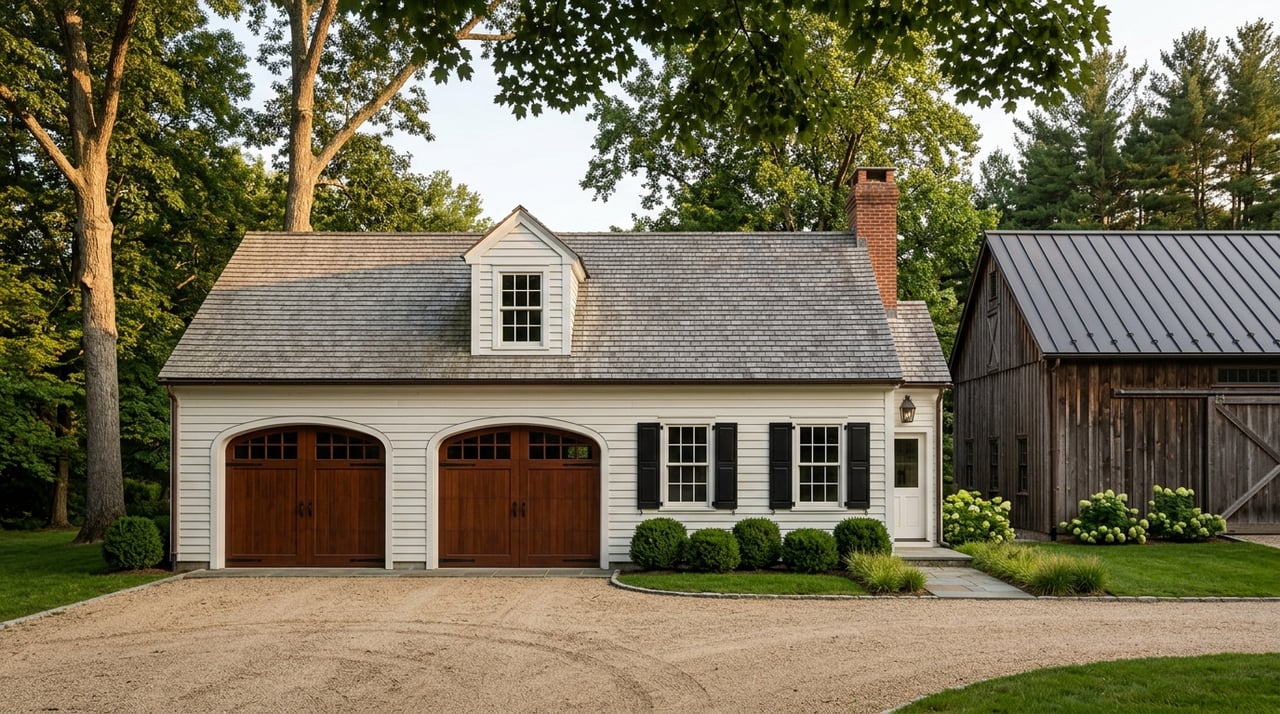
Detached garages and carports are permitted accessory structures in Harding, but they still count against building-area, height, and setback rules. Harding also states that accessory buildings should be located behind the principal building’s front facade.
This makes garages more important than they may first appear. On a large estate lot, they can support storage, workshop space, vehicle protection, or hobby use. But they also consume part of the building envelope and should be judged as functional space, not just a luxury extra.
As you tour a property, think about whether the garage provides:
A well-placed detached garage can quietly improve daily life. A poorly planned one can take up valuable space without delivering much utility.
In Harding, estate amenities are also a land-use decision. Every pool, court, garage, and outbuilding uses some portion of the lot’s allowable footprint and affects how open the property feels.
That is why lot economics matter just as much as lifestyle appeal. You are not only buying a feature. You are also buying the tradeoff that comes with it.
A home with several amenities may sound ideal, but if those features compress open space, reduce privacy, or leave little flexibility for future changes, the property may feel less adaptable over time. In contrast, a simpler property with one or two well-chosen amenities can often feel more elegant and easier to own.
When you compare Harding Township homes, try looking at amenities through three lenses: legal fit, lifestyle fit, and upkeep fit. That framework keeps the decision grounded.
Here is a simple checklist to use:
The strongest estate purchase is usually not the one with the longest feature list. It is the one where the amenities feel intentional, useful, and well-matched to both the lot and the way you live.
If you are weighing estate properties in Harding Township, a local perspective helps you separate true long-term value from features that simply photograph well. For tailored guidance on evaluating amenities, layout, and overall property fit, connect with Julia Kovacs.
Stay up to date on the latest real estate trends.
Get assistance in determining current property value, crafting a competitive offer, writing and negotiating a contract, and much more. Contact me today.