Buying Acreage in Harding Township With Privacy in Mind
June 25, 2026
June 25, 2026
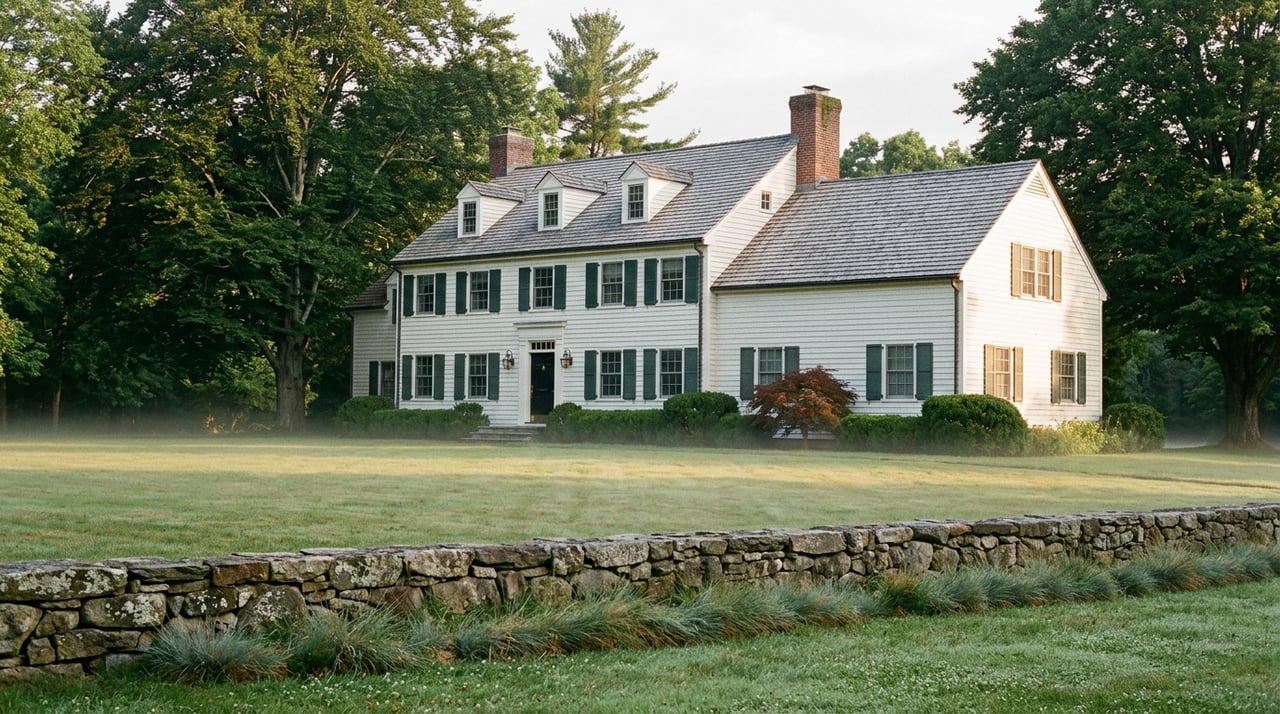
If privacy is one of the main reasons you are looking in Harding Township, you are asking the right question, but maybe not the complete one. In Harding, privacy is not just about how many acres a property has. It is shaped by preserved land, zoning, building envelopes, tree conservation, and natural features that can either protect your seclusion or limit how you use the site. If you want to judge a lot wisely, it helps to know what is creating that private feeling and how durable it really is. Let’s dive in.
Harding Township’s privacy advantage starts with the land itself. According to the township’s Open Space & Recreation Plan, more than 6,200 acres, or 47.1% of the township, have been preserved. That preserved land helps maintain Harding’s rural development pattern and protects natural resources across a large share of the community.
That preservation is not limited to parks or public land. The township also reports that more than 390 acres across 151 privately owned properties have been preserved through conservation easements. For you as a buyer, that means some neighboring land may remain visually open and buffered even when it is privately owned.
The township is also bordered by major preserved areas, including the Great Swamp National Wildlife Refuge, Morristown National Historical Park at Jockey Hollow, Lewis Morris Park, and Loantaka Brook Reservation. Those edges help reinforce the sense of space and separation that many buyers associate with Harding.
A large lot can sound private on paper, but raw acreage does not always tell you how the property lives. Harding’s residential zoning schedule shows that the RR zone has a 5-acre minimum lot size and the R-1 zone has a 3-acre minimum. Both RR and R-1 also use 300-foot frontage, 100-foot front, side, and rear setbacks, a required 100-by-100-foot building envelope free of constraints, and a 10% maximum lot coverage.
That matters because the usable and buildable part of a lot may be much more limited than the total acreage suggests. A property can be five acres, yet still place the house, driveway, outdoor living areas, and future additions into a narrower zone than you expect. In practice, the location and shape of the buildable area often affect privacy more than the lot size in the listing.
There is another detail buyers often miss. In Harding, the front setback applies to all road frontages. On a corner lot, that can reduce where screening, fencing alternatives, or outdoor features can comfortably sit and may change how exposed the property feels.
The most durable privacy usually comes from features that are hard to change. In Harding, that often means zoning setbacks, preserved land, conservation easements, stream corridors, wetlands, and established tree conservation areas. These elements can create long-term separation from roads and neighboring homes.
By contrast, privacy created mainly by landscaping is often less permanent. A hedge can be removed, plantings can thin out, and screening that looks strong in summer can feel very different in winter. If a property feels private today, it is worth asking whether that privacy depends on protected conditions or simply on vegetation that could change over time.
Harding’s conservation framework reinforces this distinction. The township’s Conservation Plan Element notes the importance of buffer areas along perimeter property lines, landscape plans tied to development, and the preservation of trees and hedgerows for both rural character and environmental protection.
In Harding, trees do more than beautify a property. They often shape how private it feels from the road and from adjoining lots. The township’s open-space plan describes tree conservation areas along residential property lines, and permits are required to remove trees larger than eight inches within the conservation area.
That means mature screening may carry more staying power than in communities with lighter tree regulation. At the same time, you should not assume every line of trees belongs to the subject property or can be managed freely. A showing is a good time to ask exactly where the screening sits and what rules apply to it.
This is especially important if your ideal property includes room for outdoor changes later. A line of mature trees may be part of what makes the property beautiful and private, but it can also affect where future improvements are realistic.
Some of Harding’s most secluded-looking lots get that feeling from streams, wetlands, wooded edges, and uneven topography. These natural features can create excellent visual buffering. They can also limit clearing, grading, vegetation removal, or future site improvements.
The township’s Conservation Plan states that Harding protects stream corridors through setback requirements and limits on vegetation removal. The Open Space & Recreation Plan also notes that subdivision approvals are conditioned on conservation easements over environmentally sensitive areas. In simple terms, a lot may feel bigger and more secluded because part of it is protected, not because all of it functions like open lawn or flexible backyard space.
That is not a negative. In many cases, protected natural land is exactly what creates the peaceful, estate-like setting buyers want. The key is understanding the difference between privacy land and usable land.
When you tour a property in Harding, it helps to think beyond the house. A privacy-focused showing should feel more like a site review. You are not just evaluating rooms and finishes. You are evaluating what the land is doing, what the rules allow, and what may change.
Start with a few practical questions:
Harding’s grading-permit checklist gives a useful picture of what matters at the site level. It requires plans to show property lines, setback lines, tree conservation areas, streams and other natural features, and existing and proposed impervious coverage. It also states that gravel driveways count as impervious coverage under township code.
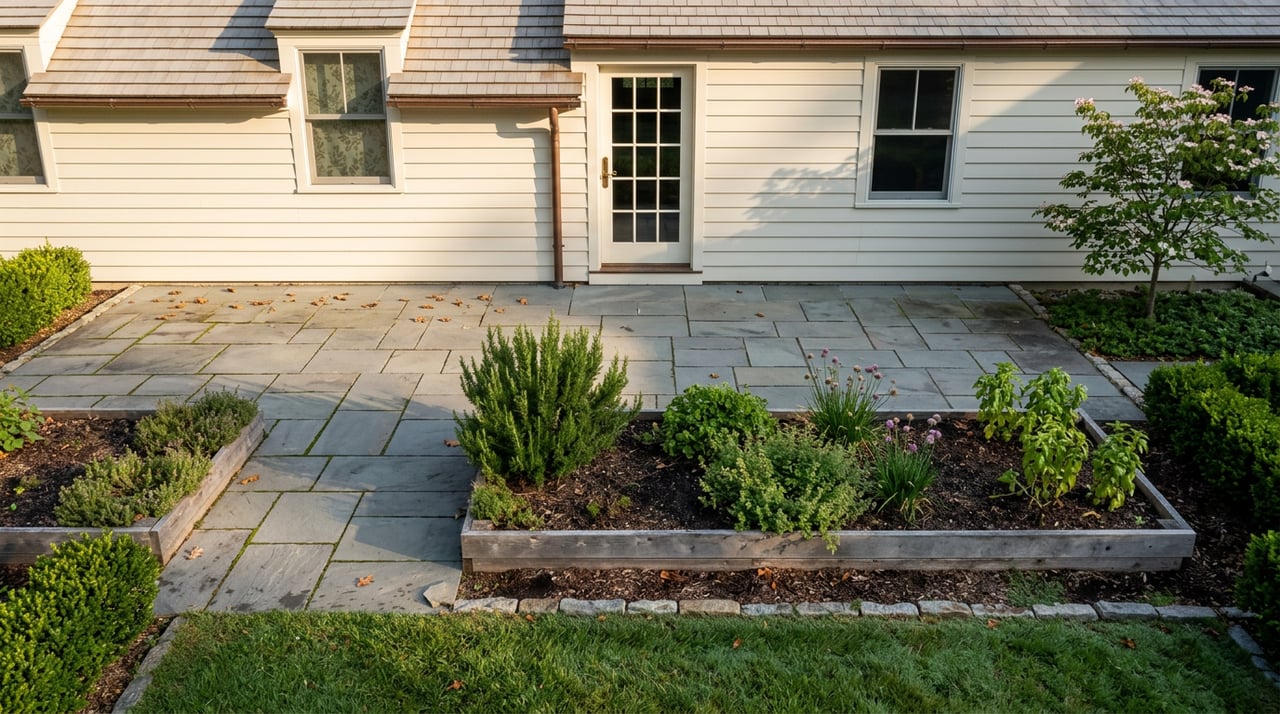
That last point surprises many buyers. A long gravel drive can add charm and separation from the road, but it also counts toward site coverage and can add maintenance. The same goes for expanded parking areas, large patios, and other hardscape features.
Not every private-feeling lot works the same way. In Harding, corner lots, flag lots, and deep-setback lots should be judged differently because the zoning and layout affect how privacy shows up day to day.
Corner lots may have broad road exposure, and Harding’s rule that the front setback applies to all road frontages can reduce flexibility. A lot may be large, yet still feel less shielded if two sides face roads. For buyers who prioritize seclusion, this is worth careful attention.
The zoning schedule notes that new flag lots may be created in the RR zone. These lots can place the house farther from the road, which often improves the sense of retreat. At the same time, they usually involve longer driveways, more access complexity, and more hardscape to maintain.
A house set well back from the road can feel wonderfully private, but the source of that privacy still matters. Is the front yard open lawn, dense woodland, or a constrained area shaped by drainage or conservation features? The answer affects both the look of the property and how it may function over time.
This is one of the most important tradeoffs to understand before you buy. Harding’s Open Space & Recreation Plan states that preserved natural woodlands may require little maintenance, while developed properties are typically high maintenance. That difference matters if two properties offer similar privacy in very different ways.
A lot buffered by preserved woodland may deliver seclusion with relatively little ongoing work. A lot buffered mainly by planted screening may require pruning, replacement plantings, drainage attention, and regular landscape management to maintain the same effect.
If you are comparing homes, ask yourself not just which one feels more private today, but which one will be easier to maintain at the level you want. Privacy is valuable, but the most satisfying privacy is the kind that fits your lifestyle.
If privacy is a major goal, a listing photo or even a great in-person first impression is not enough. Harding’s open-space plan recommends reviewing tax maps and the easement database together so easements are accurately reflected. The township also maintains tax maps as a separate public resource.
For you, that means the survey, tax map, and easement information should be looked at side by side before you move forward. If a lot appears especially shielded, it is worth confirming what is permanently protected and what is simply there today.
If the land appears wet or uneven, ask for contour and drainage information. Harding’s grading checklist expects 2-foot contours, slope analysis, and wetlands or stream documentation as part of the site package. That is a strong signal that topography can have a major impact on where patios, pools, additions, and screening can realistically go.
In Harding Township, the smartest privacy question is not “How big is the lot?” It is “What is permanently limiting visibility from the road and neighboring homes?” That shift in thinking usually leads to better decisions.
When you understand whether privacy comes from setbacks, preserved land, tree conservation, topography, or temporary landscaping, you can compare properties more clearly. You can also avoid paying for a private feel that may be harder to preserve than it first appears.
If you are considering a home in Harding Township and want a sharper read on how a lot will actually live over time, Julia Kovacs can help you evaluate the details that matter most.
Stay up to date on the latest real estate trends.
Get assistance in determining current property value, crafting a competitive offer, writing and negotiating a contract, and much more. Contact me today.