Outdoor Living in Harding Township: Smart Design Ideas
June 18, 2026
June 18, 2026
If you own a home in Harding Township, your outdoor space is more than a backyard. It is part of the property’s overall setting, privacy, and long-term value. Whether you are planning updates for your own enjoyment or thinking ahead to resale, the best results usually come from designs that fit the land, respect local rules, and feel natural to the home. Let’s dive in.
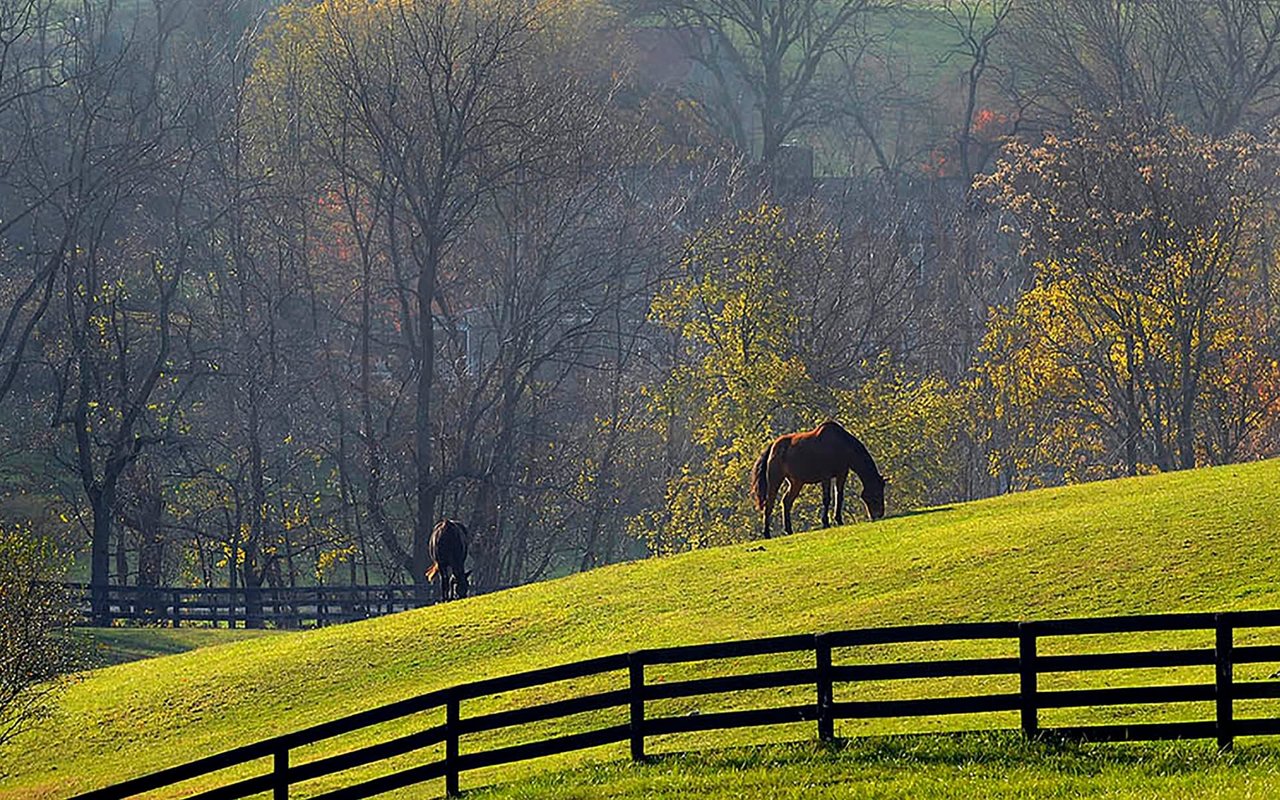
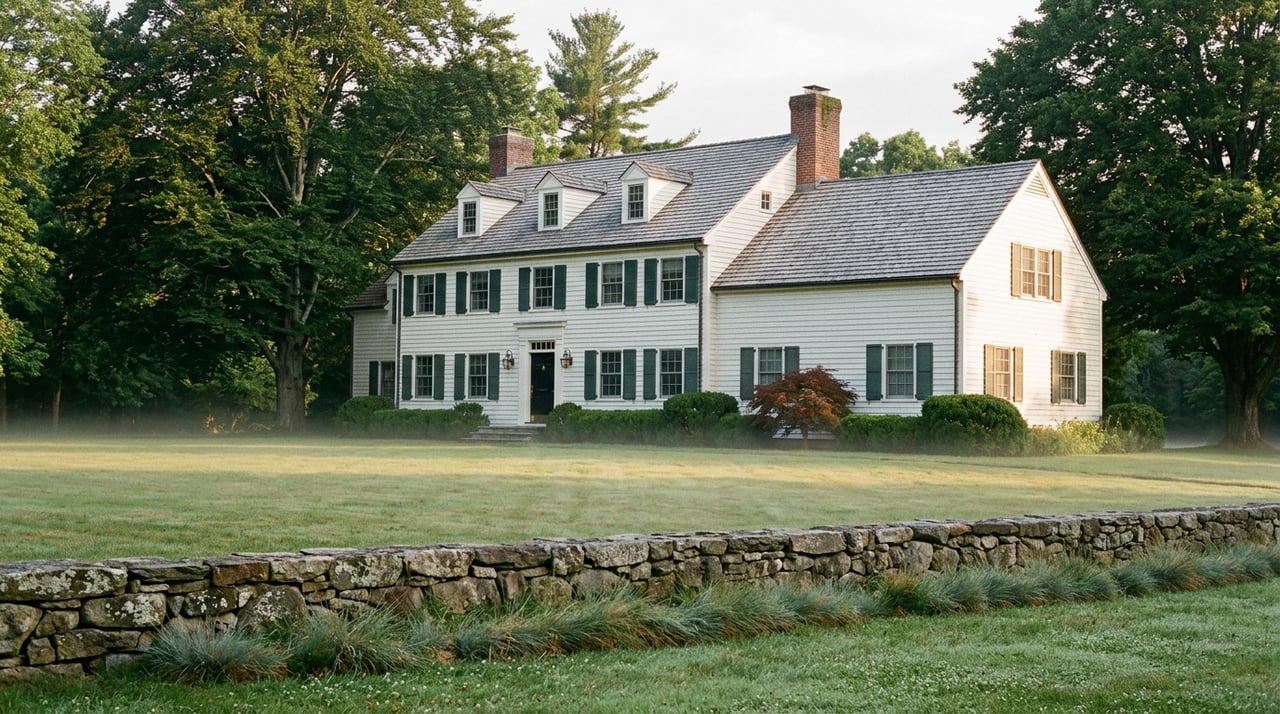
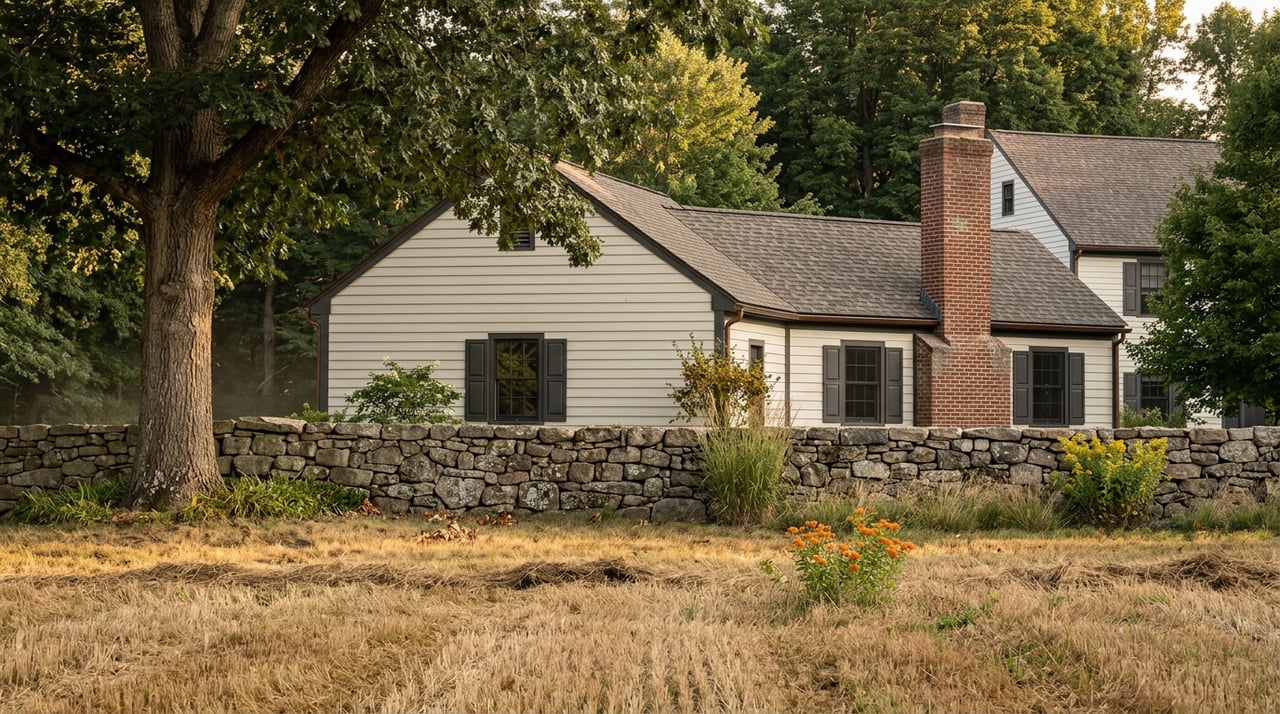
In Harding Township, outdoor living works best when it feels connected to the landscape instead of added onto it as a separate feature. Local planning documents emphasize open space, rural character, water protection, and privacy, which means outdoor improvements should support the broader composition of the property.
On multi-acre lots, that often means keeping sightlines open, preserving mature trees, and placing new features in a way that feels intentional. A well-sited patio, porch, or garden can add function without competing with the natural character that makes Harding homes so distinctive.
Before you finalize design ideas, it helps to understand how Harding Township reviews outdoor projects. The township requires zoning approval as a first step for many exterior improvements, including decks, patios, pools, pool houses, sports courts, and lighting plans.
That matters because outdoor living features are not reviewed one by one in isolation. They are often evaluated as part of the full site, especially on estate properties where setbacks, lot size, and lot coverage all shape what is possible.
One of the most important local details is Harding’s broad definition of lot coverage. It includes items many homeowners do not always expect, such as:
In practical terms, that means a patio, pool terrace, and expanded driveway all count toward the same overall site calculation. The most successful plans usually balance these features early, rather than adding them piece by piece over time.
Harding’s zoning standards are especially relevant on large residential lots. In the R-1 zone, minimum lot size is 3 acres, minimum setbacks are 100 feet, minimum frontage is 300 feet, and maximum lot coverage is 10%. In the RR zone, minimum lot size is 5 acres, with standards intended to preserve open space, scenic vistas, mature trees, privacy, and lower impervious coverage.
For pools and attached pool decks or patios, setbacks apply as well. This is one reason pool placement in Harding often takes more planning than homeowners expect.
Privacy is a major priority in Harding, but privacy features still need to fit local code and the streetscape. The township says no fence, wall, or pillar may be built within 25 feet of the center line of a road or within any recorded road right-of-way.
That makes plantings, natural screening, and careful siting especially important. In many cases, a layered landscape plan can provide privacy in a way that feels more consistent with Harding’s rural character than a highly prominent front-yard barrier.
One of the best ways to approach outdoor living in Harding is to think in zones. Current yard design trends favor distinct outdoor rooms for cooking, dining, lounging, gardening, and recreation, and that concept fits Harding properties especially well.
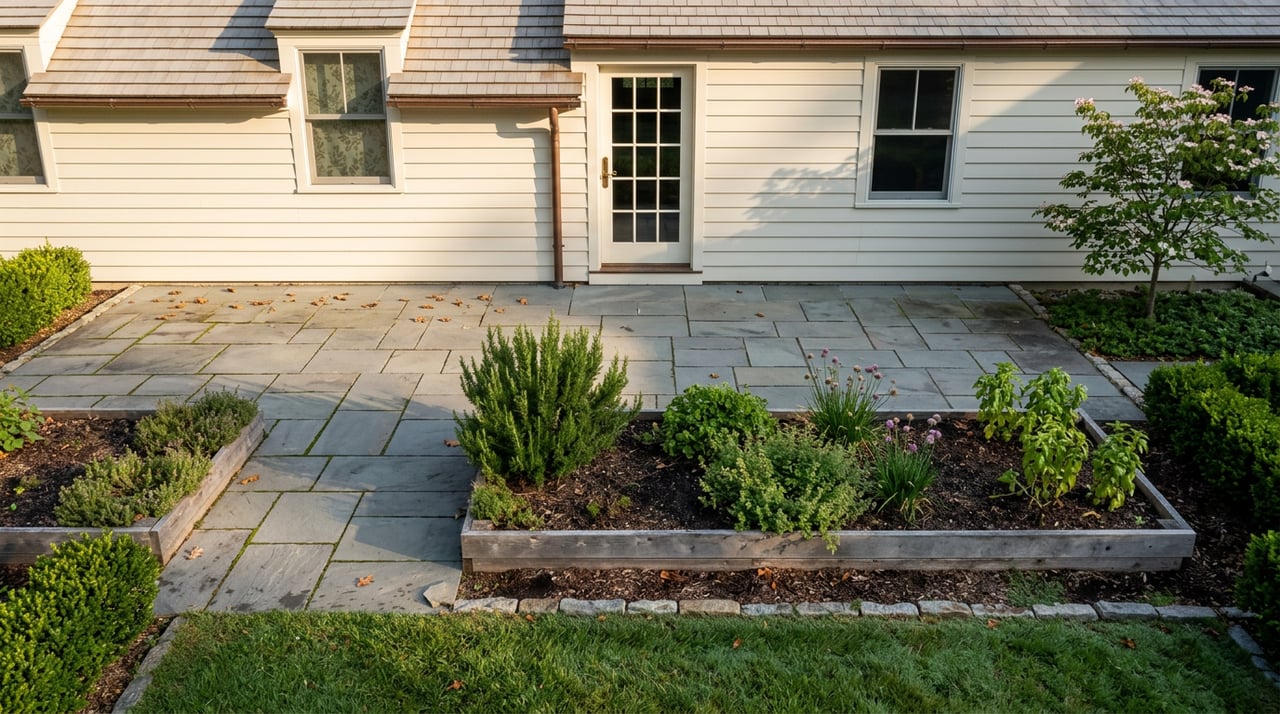
Instead of placing features randomly across a large lot, consider how each area relates to the house, the views, and the existing tree canopy. A dining terrace near the kitchen, a quieter seating area off the main living space, and a more secluded pool terrace farther from the house can create a layout that feels organized and calm.
On larger Harding properties, these combinations often work well:
The goal is not to fill every corner of the property. It is to create a few well-defined areas that feel purposeful and integrated.
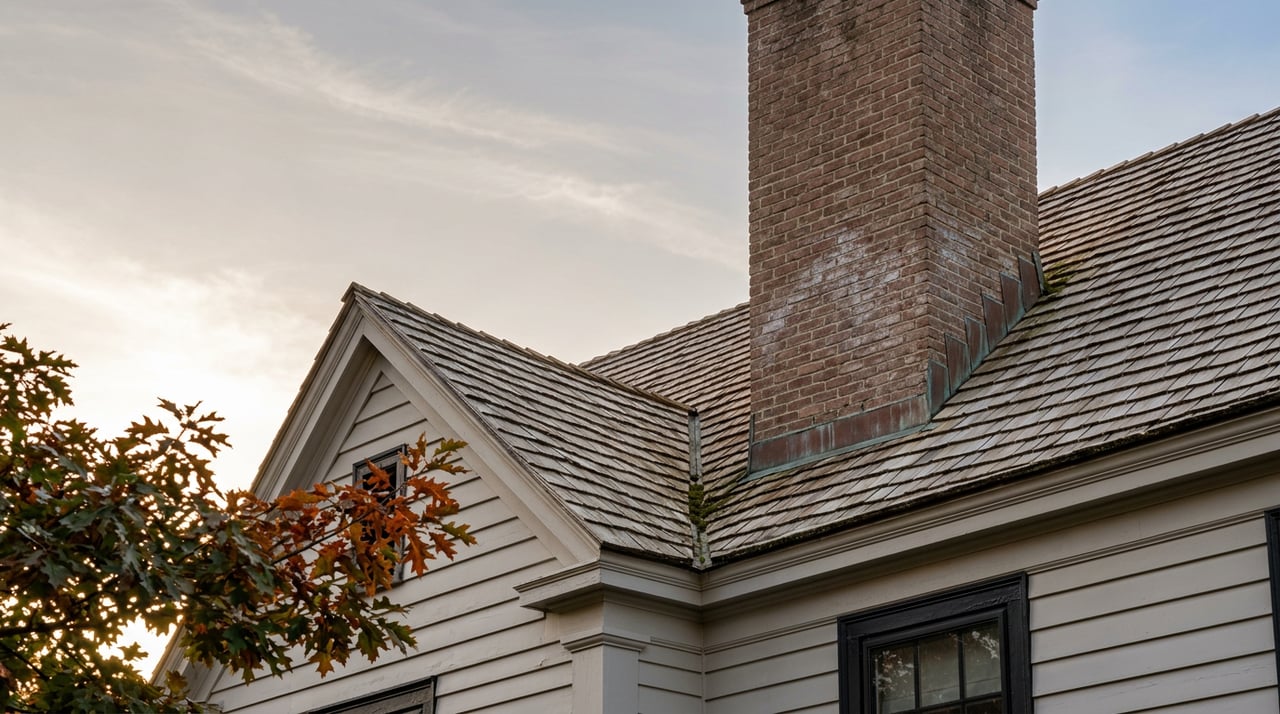
Harding’s outdoor spaces need to stand up to real weather conditions, not just look good on installation day. NOAA engineering climate data for nearby Morristown lists an 81 cm frost depth and 71 average annual freeze-thaw cycles, so patios, paths, pool surrounds, and retaining edges need durable base preparation and proper drainage.
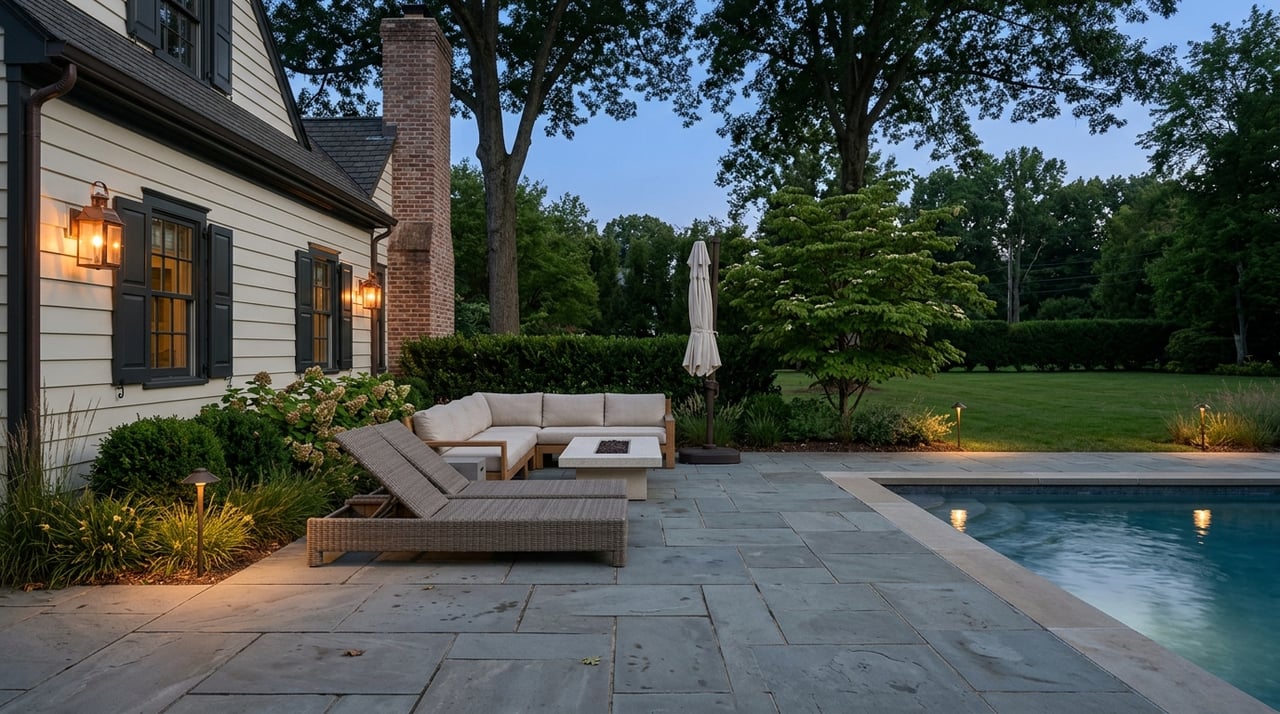
This is where material choice becomes both a design and performance decision. Bluestone, limestone, gravel, and permeable hardscape can be practical options when paired with thoughtful installation and site grading.
Harding is entirely within the Great Swamp watershed, and the township’s planning and tree rules emphasize water sensitivity. The township’s stormwater guidance advises directing downspouts onto grassy areas away from paved surfaces, which supports runoff-aware planning from the beginning.
For outdoor living projects, that can mean:
A beautiful patio that holds water after every storm is not a successful design. In Harding, drainage is part of the aesthetic because it helps the landscape stay healthy and usable.
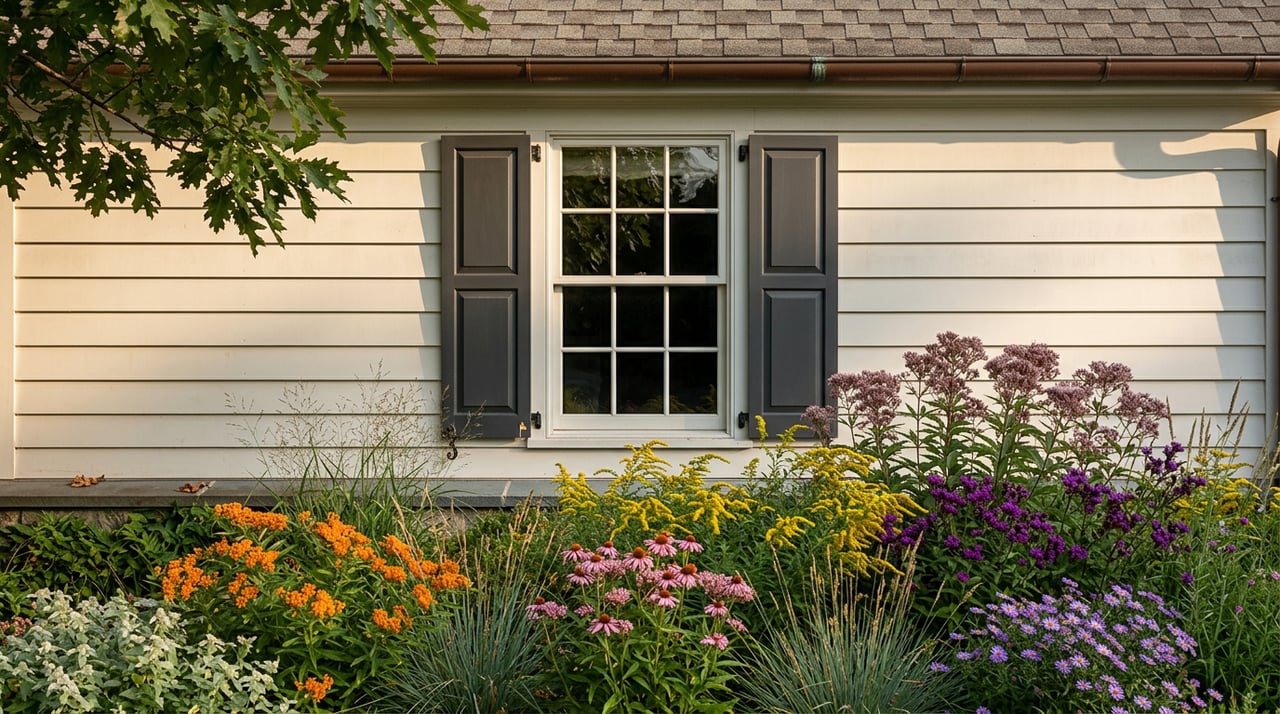
In a wooded township like Harding, planting should do more than add color. It should help preserve privacy, support the scale of the property, and reinforce the natural setting.
Rutgers Cooperative Extension recommends choosing plants based on local climate, water, soil, and sun conditions. Its deer-resistance guidance also notes that no plant is truly deer-proof in New Jersey, so it is smarter to use species that are rarely damaged or seldom severely damaged rather than assuming complete protection.
For many Harding properties, a lower-maintenance and more durable landscape strategy may include:
This approach often aligns well with the township’s priorities around mature trees, natural vegetation, privacy, and reduced tree removal. It also tends to age more gracefully on estate lots than highly manicured planting plans that require constant replacement.
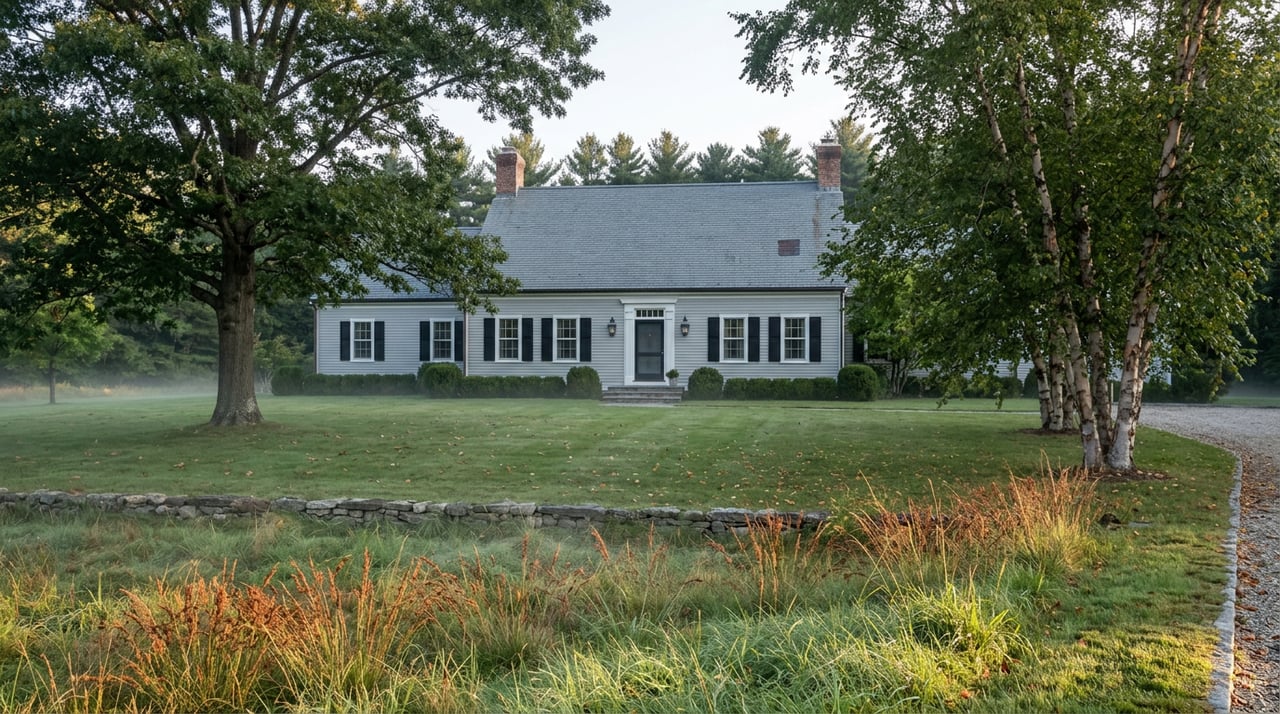
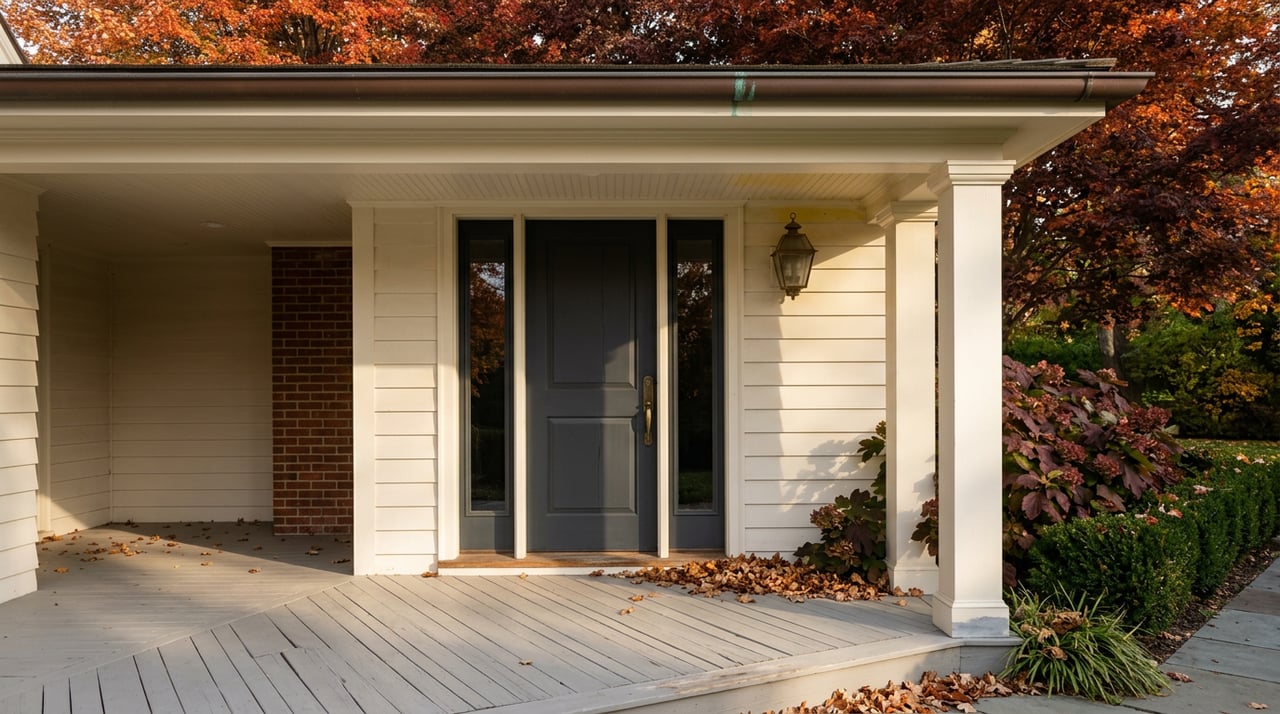
In Harding, curb appeal often comes from proportion, placement, and setting more than from highly dramatic front-yard features. Homes typically benefit from front terraces, porches, and entry elements that complement the architecture and preserve the rural streetscape rather than dominate it.
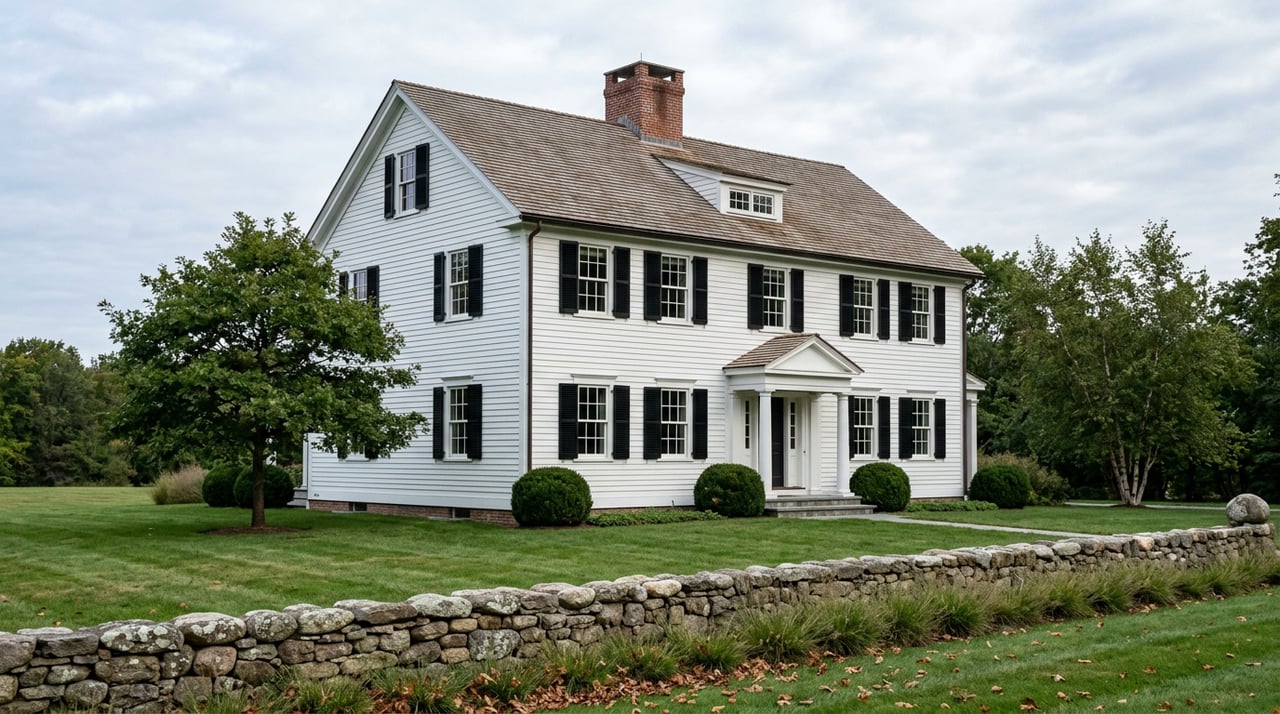
That is especially relevant for traditional estate-style homes, where long facades, mature lawns, and tree-lined setbacks already create presence. Outdoor improvements usually feel strongest when they extend that quiet, polished character instead of trying to overpower it.
Landscape lighting can change how a property feels at dusk, improve usability, and highlight architectural or landscape features. It can also support presentation when a home is photographed or shown for sale.
In Harding, lighting plans require zoning approval, so they should be treated as part of the overall design process. NAR’s 2023 Outdoor Features report also found that landscape lighting was associated with beauty and aesthetics and estimated a 59% cost recovery for a typical lighting project.
The most effective lighting plans usually stay subtle. Consider:
The goal is to improve function and atmosphere without making the property feel overlit. In Harding, restrained lighting often fits the setting best.
If resale is part of your thinking, the data points to a clear pattern. Outdoor improvements tend to perform best when they are maintained, useful, and integrated with the property.
According to NAR’s 2023 Remodeling Impact Report, estimated cost recovery was:
| Improvement | Estimated Cost Recovery |
|---|---|
| Overall landscape upgrade | 100% |
| New patio | 95% |
| New wood deck | 89% |
| Tree care | 87% |
| Irrigation | 83% |
| Landscape lighting | 59% |
| In-ground pool addition | 56% |
For Harding homes, this supports a practical strategy. Landscape upgrades, patios, tree care, and decks often make a strong case because they improve daily livability while fitting naturally into the site.
Pools can still be compelling on estate properties, especially when they are thoughtfully sited and visually integrated. But in Harding, they require extra planning because pools, pool decks, and related patios count toward lot coverage and must comply with setback rules.
That does not make a pool a poor choice. It simply means the best pool projects are usually the ones designed as part of a full-property plan rather than as a stand-alone wish list item.
Even if you plan to stay for years, it helps to evaluate outdoor improvements through a resale lens. Buyers in the Harding area are often drawn to homes that feel settled, private, and easy to enjoy from day one.
That usually means outdoor spaces that are well-scaled, durable, and visually connected to the home and land. A design-forward but practical approach can make your property more enjoyable now and easier to position later.
If you are considering updates before a sale, this is where local perspective matters. The right choices are not always the biggest or most expensive ones. Often, they are the improvements that present the property at its best while respecting Harding’s landscape, zoning framework, and rural identity.
When you want to think through which outdoor improvements will best support your property’s enjoyment and presentation, Julia Kovacs offers a design-forward, local perspective grounded in Harding Township’s estate market.
Stay up to date on the latest real estate trends.
Get assistance in determining current property value, crafting a competitive offer, writing and negotiating a contract, and much more. Contact me today.