Harding Township Farmland Assessment: What Buyers Should Know
August 6, 2026
August 6, 2026
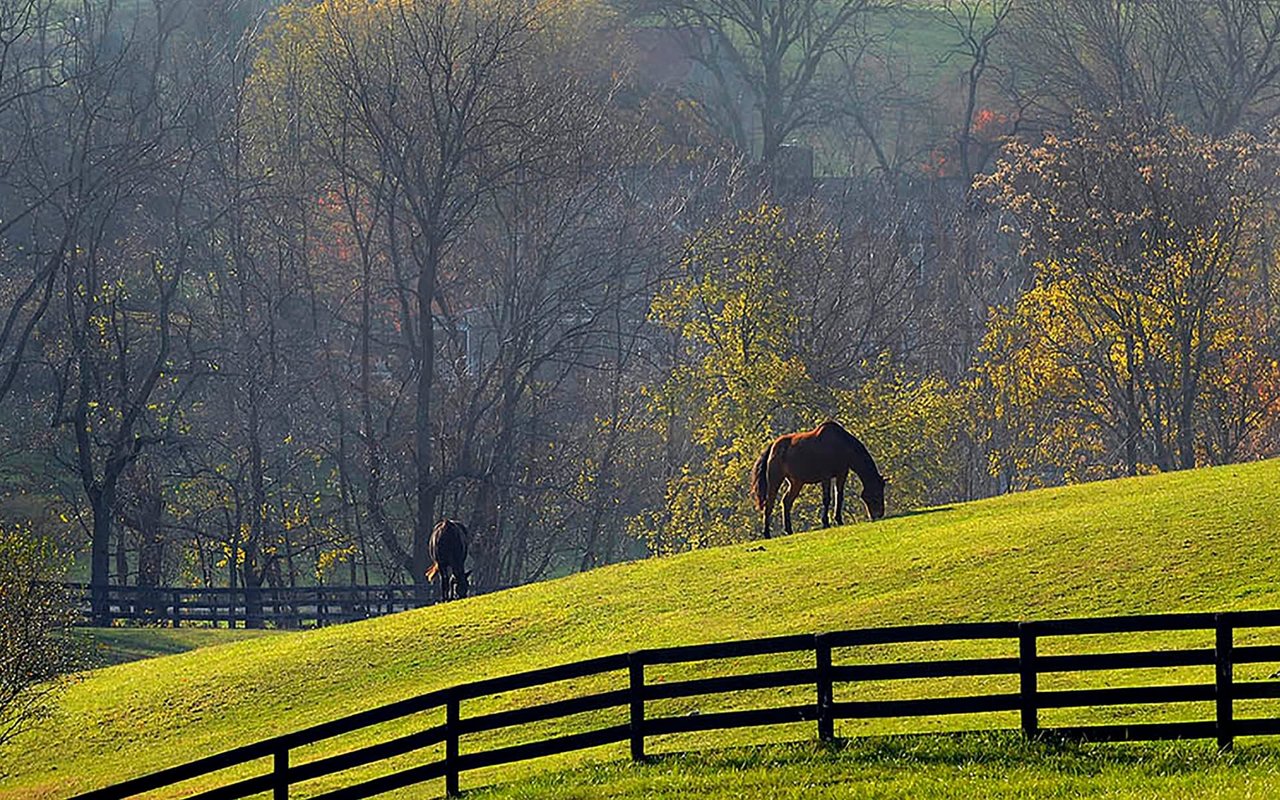
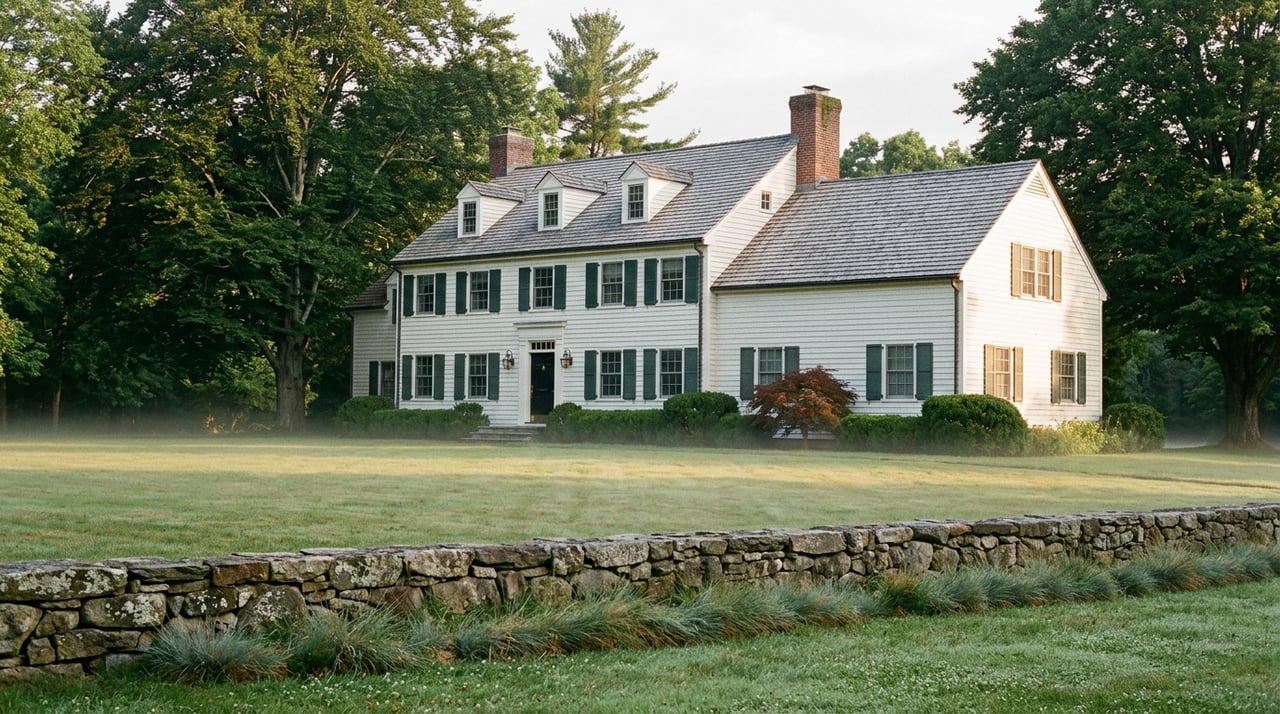
Open the MLS remarks on a Harding estate and you will see the phrase turn up often: six pastoral acres, farm-assessed. A saltwater pool, a European horse barn, farm-assessed. Buyers read it as a permanent tax discount baked into the property. It is not. Farm-assessed is an annual filing status the current owner has renewed under the New Jersey Farmland Assessment Act, and the buyer inherits both its ongoing paperwork and a three-year roll-back tax liability that only surfaces if use changes after closing.
That distinction is where the deal actually happens. In a township where the effective tax rate is roughly one percent of market value and the typical estate sits on five acres or more, the difference between land taxed as farmland and the same land taxed at estate value can run into five figures a year. Understanding who holds the filing, when it was last renewed, and what would trigger a roll-back is bottom-funnel diligence for anyone writing a serious offer on a Harding property with pasture, hay fields, or managed woodland attached.
Farmland assessment in New Jersey is a use-value tax program, not an exemption. Qualifying acreage is assessed on its agricultural productivity rather than its market value as residential land. The state's Farmland Evaluation Committee sets those productivity values annually, and the local tax assessor decides which parcels qualify. In Harding, that means a five-acre pasture running to a horse barn can be carried on the tax roll at a small fraction of what the same five acres would be worth as buildable estate land under the township's five-acre minimum lot zoning.
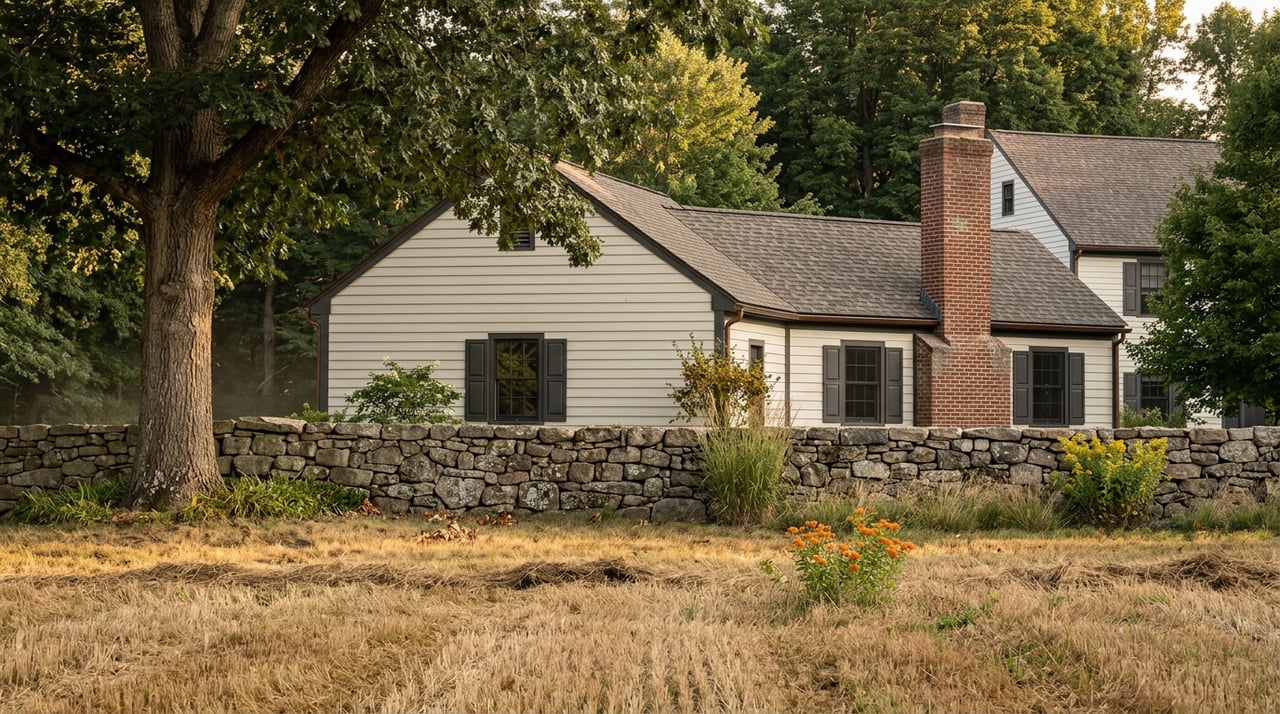
The house and its immediate curtilage are never farm-assessed. Only the land actively devoted to agricultural or horticultural use, plus qualifying appurtenant woodland, receives the reduced valuation. On a typical Harding estate that means the paddocks, the hayed meadow, and the managed woods carry the benefit, while the residence sits on a homesite lot taxed at market value like any other Harding home.
The Farmland Assessment program is built around thresholds that read as modest for a Harding-scale property:
For farm management units under seven acres, the state additionally requires a written narrative describing the agricultural use, a sketch of its location, and the acreage actively devoted. That last point matters in Harding, where many gentleman's farms fall in the five-to-seven-acre range and the assessor has more discretion to test whether the use is genuine or ornamental. Boarding horses, selling hay, running a small flock, or producing timber under a plan all count. Mowing a decorative meadow does not.
The state's rule is that a change from agricultural to non-farm use triggers roll-back taxes for the year of the change and the two prior years, calculated as the difference between what the land was taxed at as qualified farmland and what it would have been taxed at as non-farmland. That liability becomes a lien on the property as of January of the year the county board of taxation renders judgment. New Jersey's statute also carries an important buyer-side clause: roll-back is not generated when a new owner continues to actively use the property as farmland.
That last sentence is where deals get made and lost. A buyer who intends to keep the pasture in hay or continue boarding horses inherits the benefit without immediate tax consequence. A buyer who plans to convert the paddock into a tennis court and expanded lawn is signing up for three years of retroactive tax owed on that acreage, plus the loss of the ongoing reduction. On a Harding property where the untaxed differential is meaningful, the numbers get real quickly:
| Scenario | Acreage affected | Rough annual tax differential at Harding's 2025 rate | Three-year roll-back exposure |
|---|---|---|---|
| 6-acre estate, 5 acres in hay, buyer continues use | 5 | ~$0 above current | $0 |
| Same estate, buyer converts 3 acres to lawn and hardscape | 3 | Depends on reassessed market value of the converted acres | Two prior years plus year of change on the 3 acres |
| 12-acre estate, 7 acres pasture and managed woodland, buyer disqualifies all | 7 | Full differential on 7 acres | Full three-year exposure on 7 acres |
The exact dollar figures depend on the assessor's reassessment of the land at non-farm value, which is why a serious buyer asks for the current farmland assessment card and the last two years of the property's tax history before agreeing to a price. The disclosure that a listing is farm-assessed is one line in the MLS. The math behind it is a spreadsheet.
The most under-discussed transaction friction in Harding farm-assessed deals is timing. The application for the following tax year is due to the assessor on or before August 1. If the seller has filed for the pretax year and the closing happens in the fall, the buyer inherits the status and their first tax bill reflects it. If the seller has not filed by August 1, or has filed and been denied, the buyer takes title to land that will be taxed at market value the following year, and the option to reinstate rests on the buyer establishing qualifying use in time for the next cycle.
Ask the listing agent for a copy of the most recent FA-1 filing and the assessor's confirmation. If either document is missing, treat the "farm-assessed" language in the remarks as aspirational rather than current.
A denial notice from the assessor must arrive by November 1 of the pretax year, with the reasons stated and the appeal path to the Morris County Board of Taxation. On a deal signed in early summer, that timeline can matter more than the inspection contingency. It is one of the few places in a Harding transaction where the calendar itself is a negotiating tool.
Harding runs one of the lowest effective property tax rates in Morris County, at roughly 0.98 percent of market value for the 2025 tax year, versus a county median closer to 1.92 percent. On a median Harding home value near $1.15 million, that produces an annual bill in the low $11,000s before any farmland reduction. The county's certified 2025 tax rate materials show Harding as the low end of the Morris range, with Netcong above three percent at the high end.
That low base rate cuts two ways for a farm-assessed buyer. It makes the roll-back exposure smaller in absolute dollars than the same scenario would produce in a higher-tax town. It also means the annual savings from maintaining the assessment are smaller than a buyer arriving from a two-percent municipality might expect. The economic case for keeping a Harding parcel in hay or under a woodland plan is usually less about the tax line and more about preserving optionality: the ability to divide, sell, or resume agricultural use later without carrying three years of retroactive liability into the decision.
That reframes the question a buyer should ask. Not "how much will I save" but "what am I preserving." A Harding estate whose acreage has carried a continuous farmland assessment for a decade sits in a different position than a comparable property where the label lapsed two years ago and the roll-back clock has already run. The listing sheet rarely tells you which one you are looking at.
Does the farmland assessment transfer automatically at closing? The qualification transfers with the land, but the annual filing does not renew itself. The new owner must file the FA-1 with the Harding tax assessor by August 1 of each pretax year to keep the status current. Missing that date does not trigger roll-back on its own, but it does end the reduced assessment for the following tax year.
What counts as a change in use severe enough to trigger roll-back? The state's language is that the land must no longer be actively devoted to agricultural or horticultural use. Converting pasture to lawn, building on previously qualified acreage, or letting a woodland plan lapse without replacement are common triggers. Continuing the same use under new ownership is explicitly protected.
Can I appeal an assessor's denial? Yes. A denial notice must be mailed by November 1 of the pretax year, with the reasons stated. The appeal is filed with the Morris County Board of Taxation, and the general assessment appeal deadline in Harding is April 1 of the tax year in question.
Are farm-assessed listings in Harding priced differently? The land is generally priced at estate market value, not farmland value. The tax status is a carrying-cost benefit for a buyer who intends to maintain the use, not a reduction in sale price. On a property listed in the $2 million to $4 million range typical of Harding's larger estates, the ongoing tax treatment is a modeling input, not a sticker discount.
If you are underwriting a Harding property with pasture, hay fields, or managed woods, the farmland assessment file belongs in your diligence packet from the first showing, not the week before closing. Harding Luxury Homes works with buyers and sellers through the specific mechanics of these transactions, from reading the current FA-1 to structuring roll-back language in the contract. Let's Connect.
Stay up to date on the latest real estate trends.

Get assistance in determining current property value, crafting a competitive offer, writing and negotiating a contract, and much more. Contact me today.