Inside the Tunis-Ellicks House: The 1795 Farmhouse New Vernon Walks Past Every Day
August 13, 2026
August 13, 2026
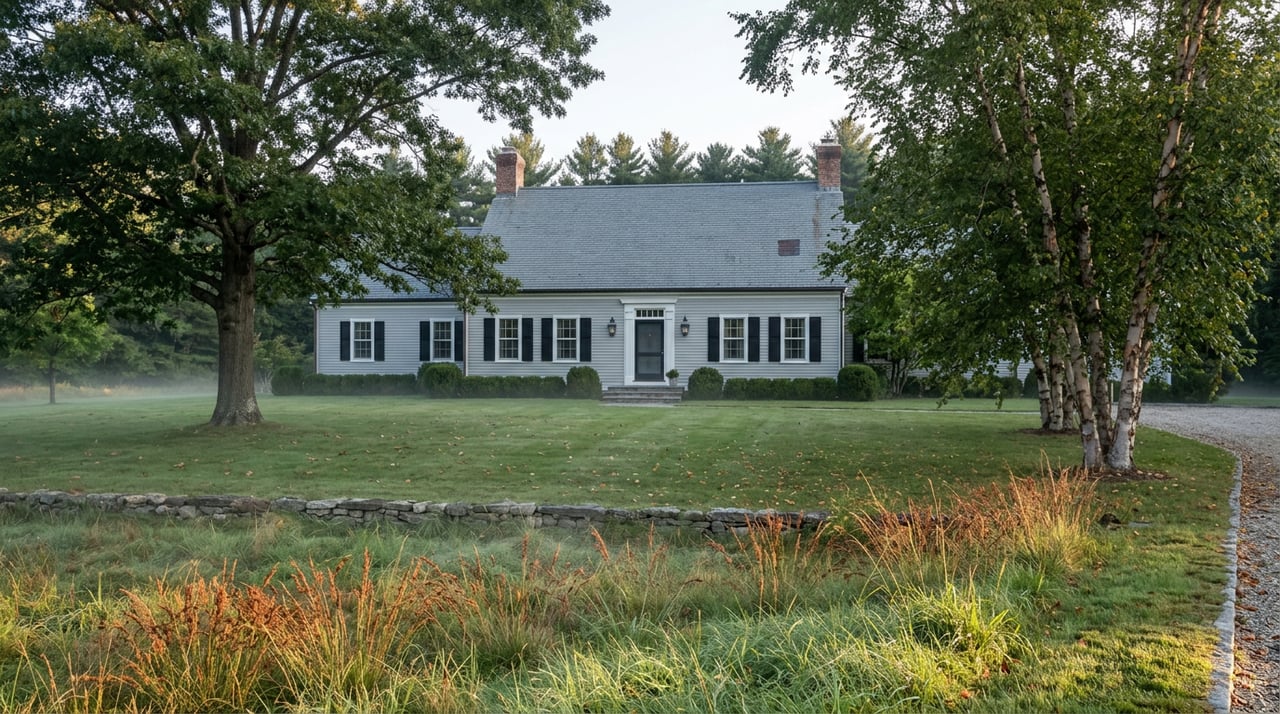
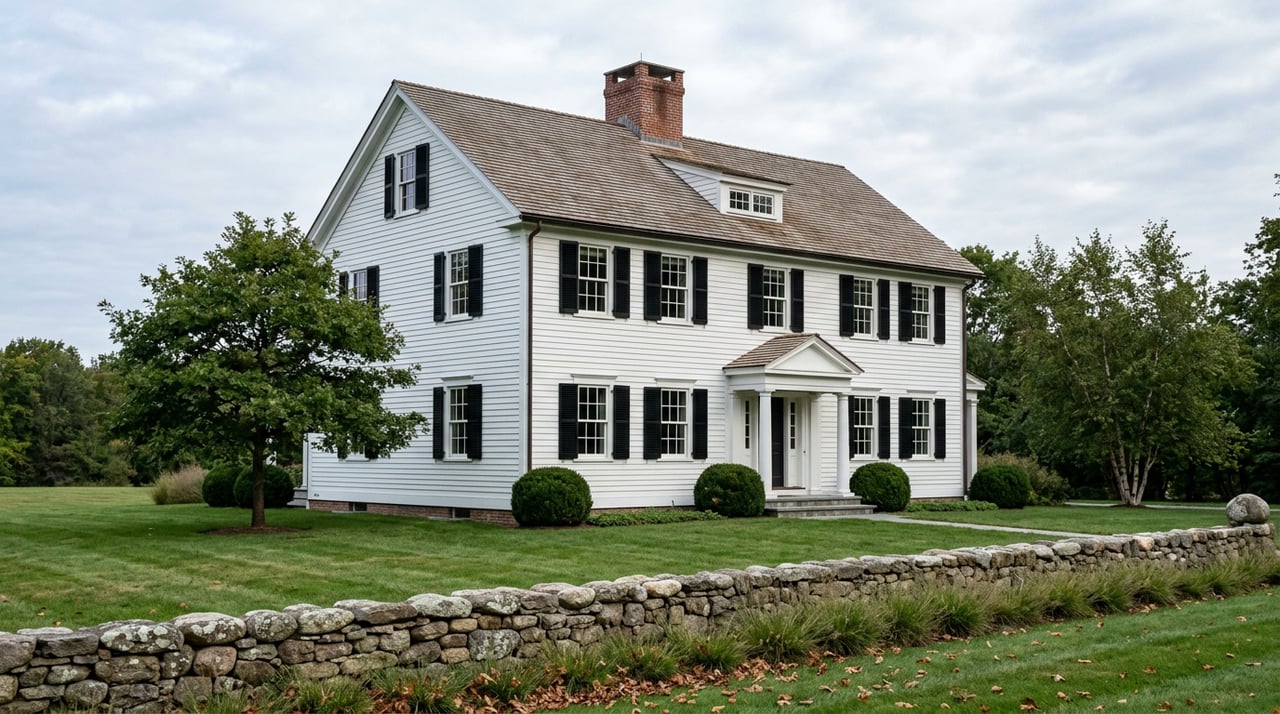
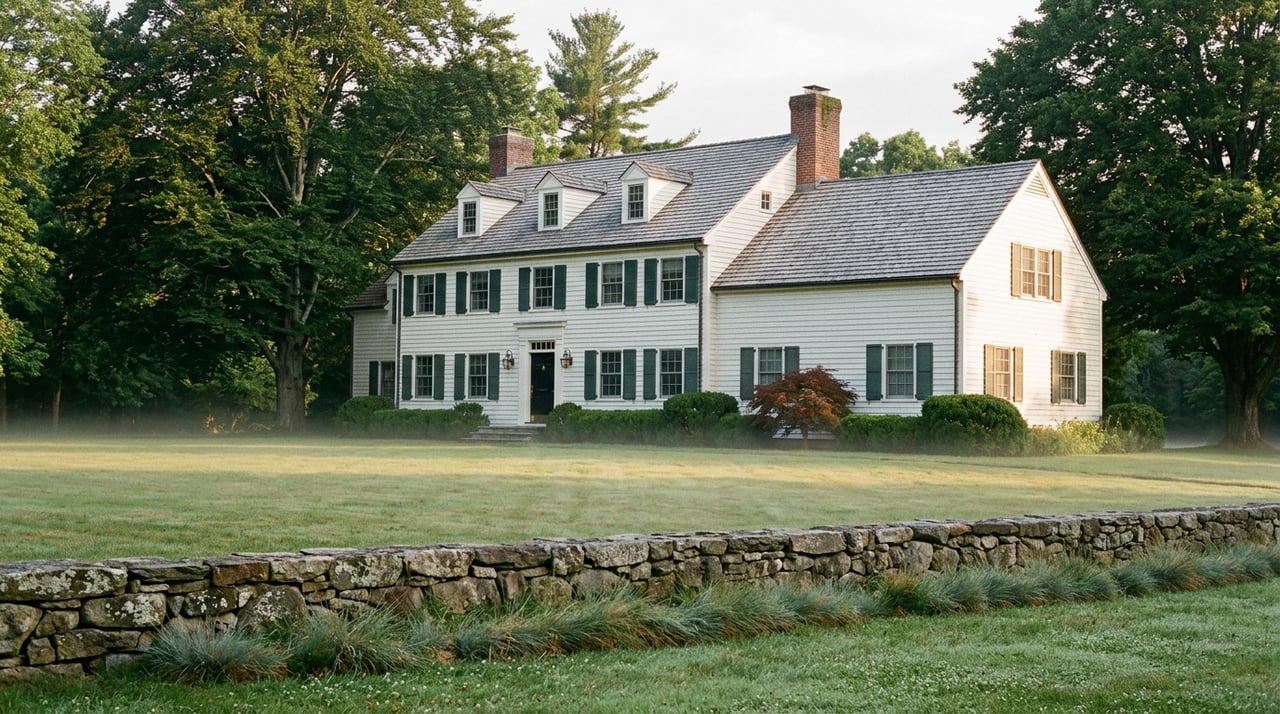
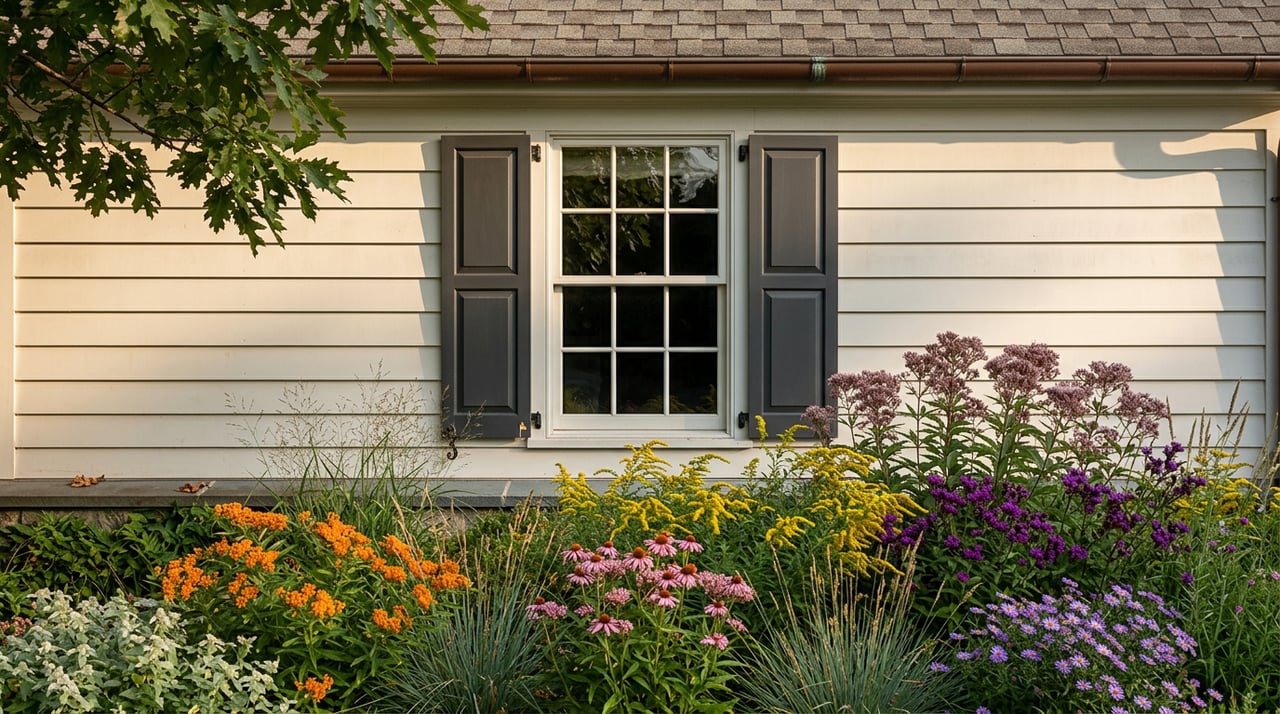
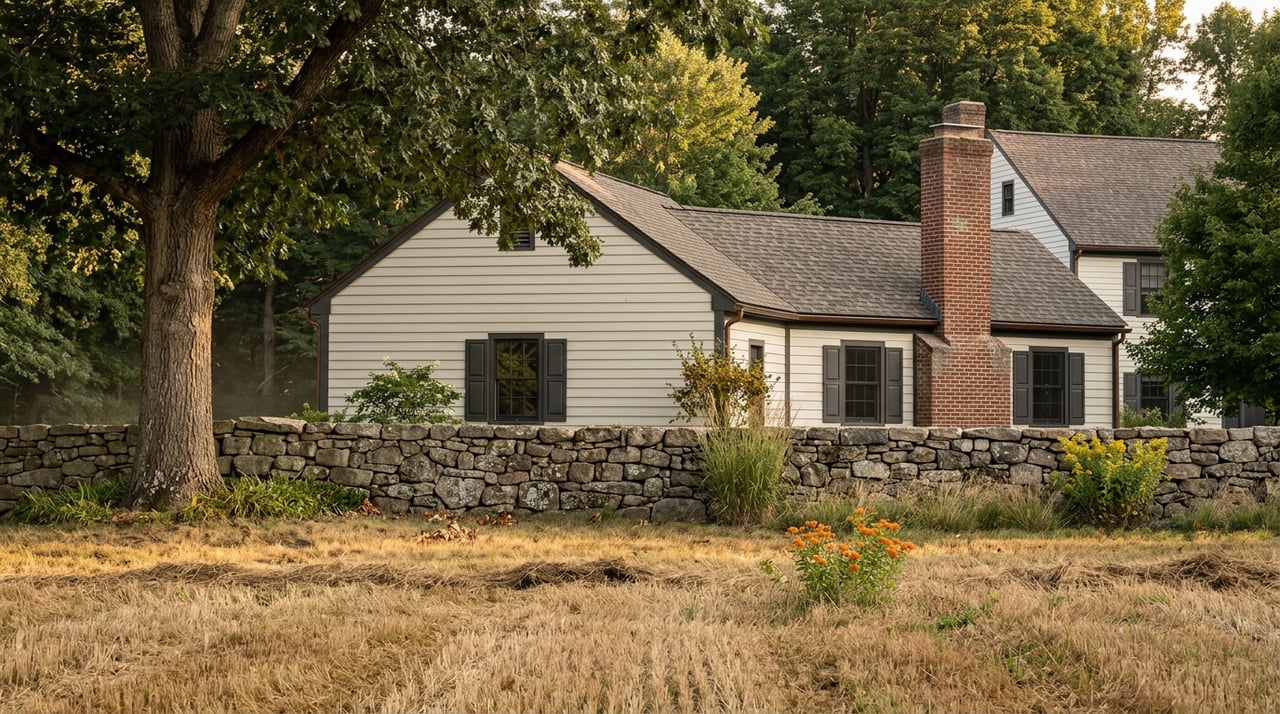
If you've picked up mail at the New Vernon post office more than a few times, you've seen it. The farmhouse across Village Road, white clapboard, low roofline, the kind of building that reads as scenery rather than destination. Most people who live in Harding Township could describe its silhouette from memory and still couldn't tell you what's inside, because unlike the post office, it doesn't open when you walk up to the door.
That's the Tunis-Ellicks House, and the reason it feels like background rather than a place is simple: it isn't run like a business. It's run like a very small, very committed nonprofit, which means the building rewards people who know its calendar and stays closed to everyone else.
What sits at 16 Village Road isn't one historic building. It's three, from three different points in Harding's history, brought together deliberately by the Harding Township Historical Society after it formed in 1977 specifically to save the property.
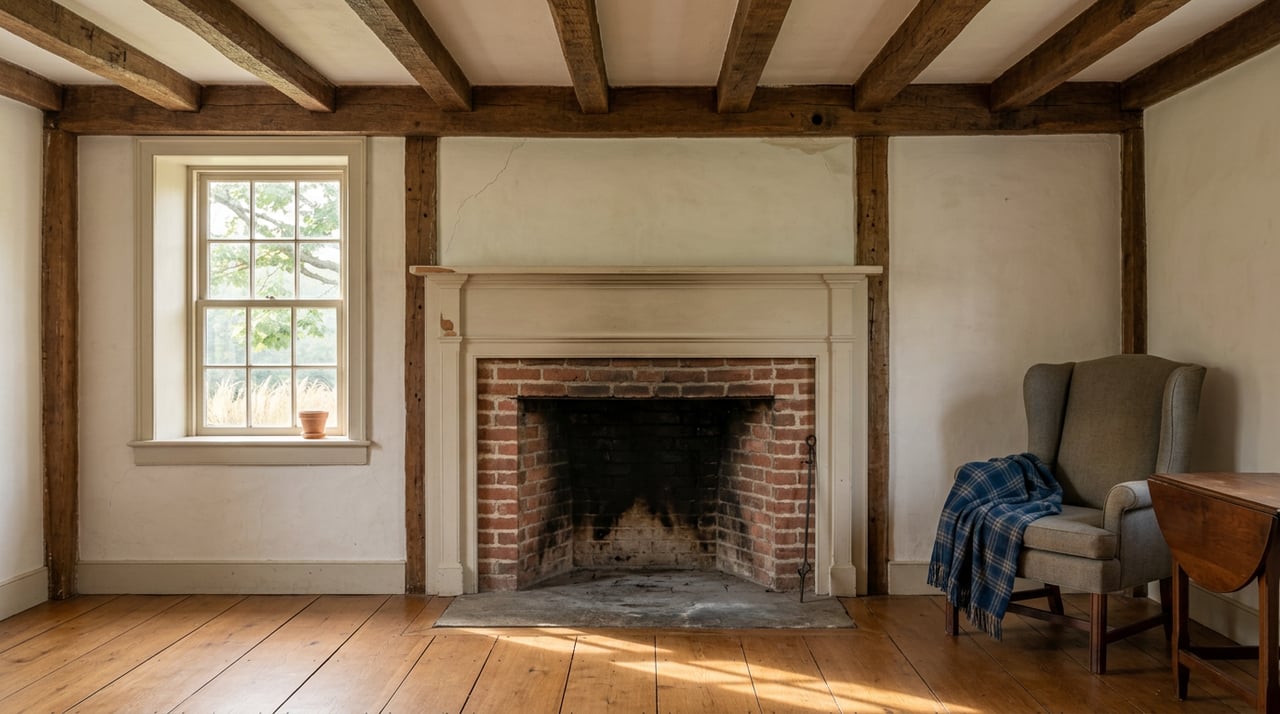
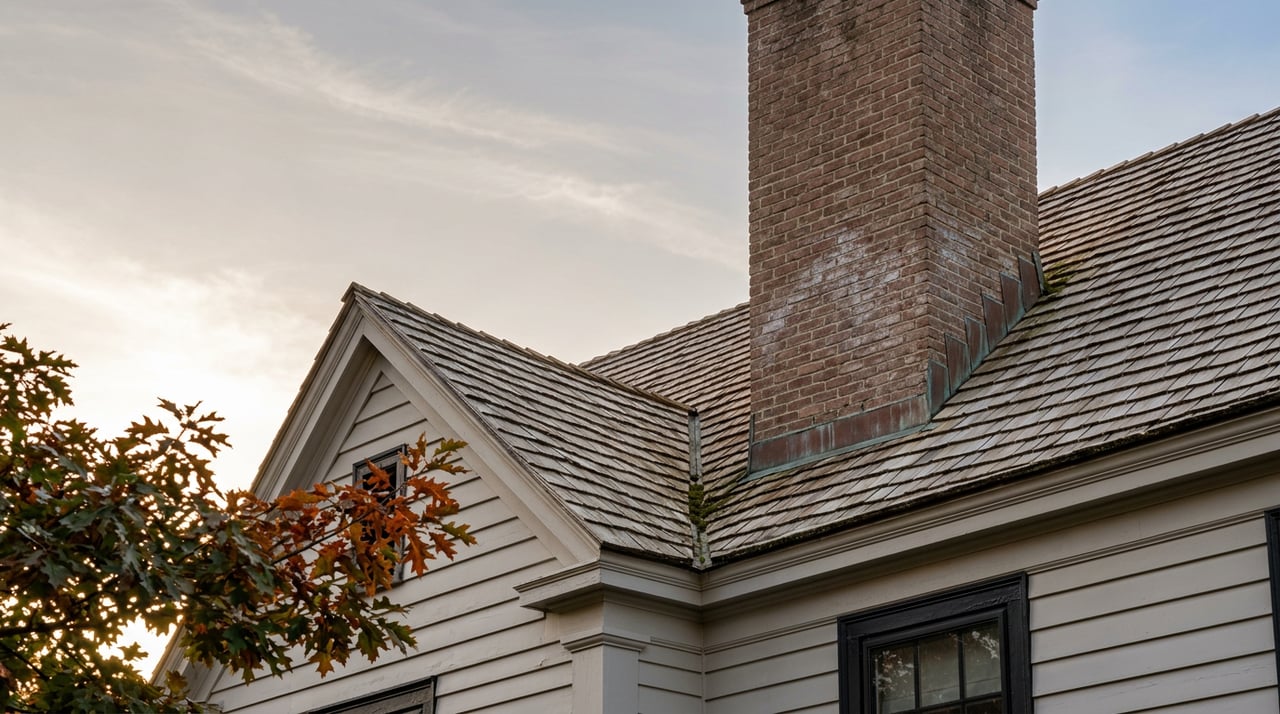
The house itself dates to 1795, the year Michael Pearce, a Minuteman in the Revolutionary War, sold the land to George Mitchell. When the society took it on, they found an original 18th-century hearth still intact behind later renovations, along with a Federal-style mantel and a water-fed cooling room built into the space beside the well, essentially a colonial refrigerator. Rather than plaster over the building's age, the society left sections of the post-and-beam frame exposed so visitors can see how the house was actually built.
Upstairs is a second layer entirely: the John H. Culbertson Museum, which rotates exhibits on local and regional history rather than presenting a single fixed display. So a visit in one season can look different from a visit the next.
Behind the house, tucked against Village Road, is Sarah Ortman Park, a small green pocket that most drivers pass without registering as a named place at all.
The third structure on the property has the strangest backstory. The Tramp House, built in the 1870s, wasn't always part of this address. It originally stood on land that became the Great Swamp National Wildlife Refuge when the refuge was established. Rather than let it be demolished along with everything else in the refuge's footprint, the Historical Society had it physically moved to the Tunis-Ellicks property in 1988, where it now sits as a preserved artifact of what the swamp's edges looked like before conservation redrew the map.
It's a small building with a specific, sobering job. It once sheltered homeless wanderers during the hard years just after the Civil War, the kind of structure that rarely survives because nobody thinks to save it until it's gone. Harding did.
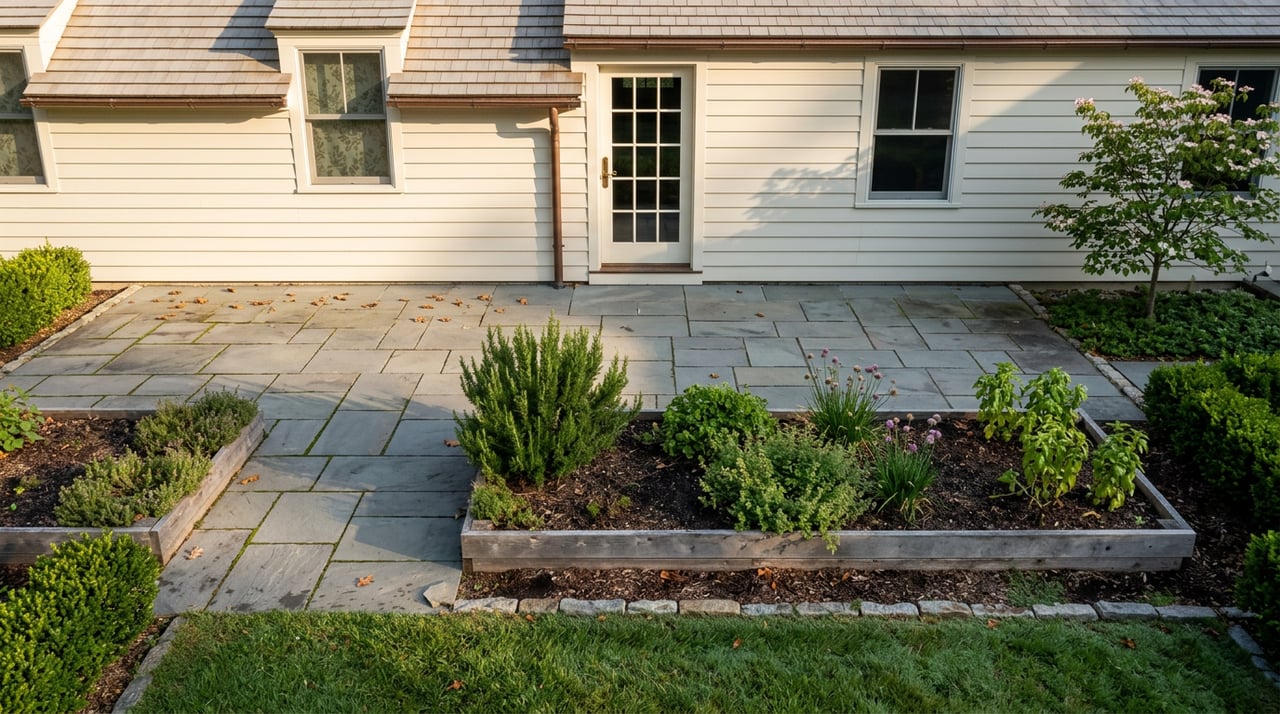
A visitor who toured the site during Morris County's countywide "Pathways" historic sites program described the scene in a dated account from this past May: volunteers demonstrating corn-husk doll making in the yard, a descendant of a colonial family giving a reading on the patio, and a self-guided walk through the farmhouse's permanent exhibit on 19th-century farm life. None of that is visible from Village Road on an ordinary Tuesday.
This is the part most people get wrong, because they assume a museum operates like a shop. It doesn't. Access here runs on a small, specific rhythm:
None of these require a ticket or a fee. They require knowing the schedule exists, which most residents driving past on their way to the post office simply don't.
Inside, the house makes its age visible on purpose. The permanent exhibit focuses on farming life in the decades before the Civil War, told through the objects and layout of a working household rather than through placards alone. The exposed timber framing lets you trace how the house was assembled joint by joint. Out back, volunteers on site can usually walk you through the Tramp House and explain, in plain terms, whose lives it once held.
The society also keeps one small tradition running every year that says something about who they're preserving this for: an annual award given to a Harding Township School student who excels in the study of history. It's a quiet signal that this isn't a museum frozen for tourists. It's a local institution still trying to hand its own story to the next generation of people who'll grow up walking past that same white farmhouse without a second glance, at least until they know what's inside it.
Even the society's mailing address carries a small wink at its own mission. Checks go to a post office box numbered 1776, in the same New Vernon zip code as the house it protects.
For a township best known for its acreage and its quiet, it's worth remembering that some of Harding's most interesting square footage isn't measured in lot size. It's measured in how many decades of the town's actual life are still standing on one small property near the post office, waiting for a Thursday.
If you're weighing a move to Harding Township or simply want a deeper read on what makes New Vernon and its surrounding villages distinct, Harding Luxury Homes is glad to talk through the neighborhood, its history, and what it's like to actually live here. Let's Connect.
Stay up to date on the latest real estate trends.
Get assistance in determining current property value, crafting a competitive offer, writing and negotiating a contract, and much more. Contact me today.